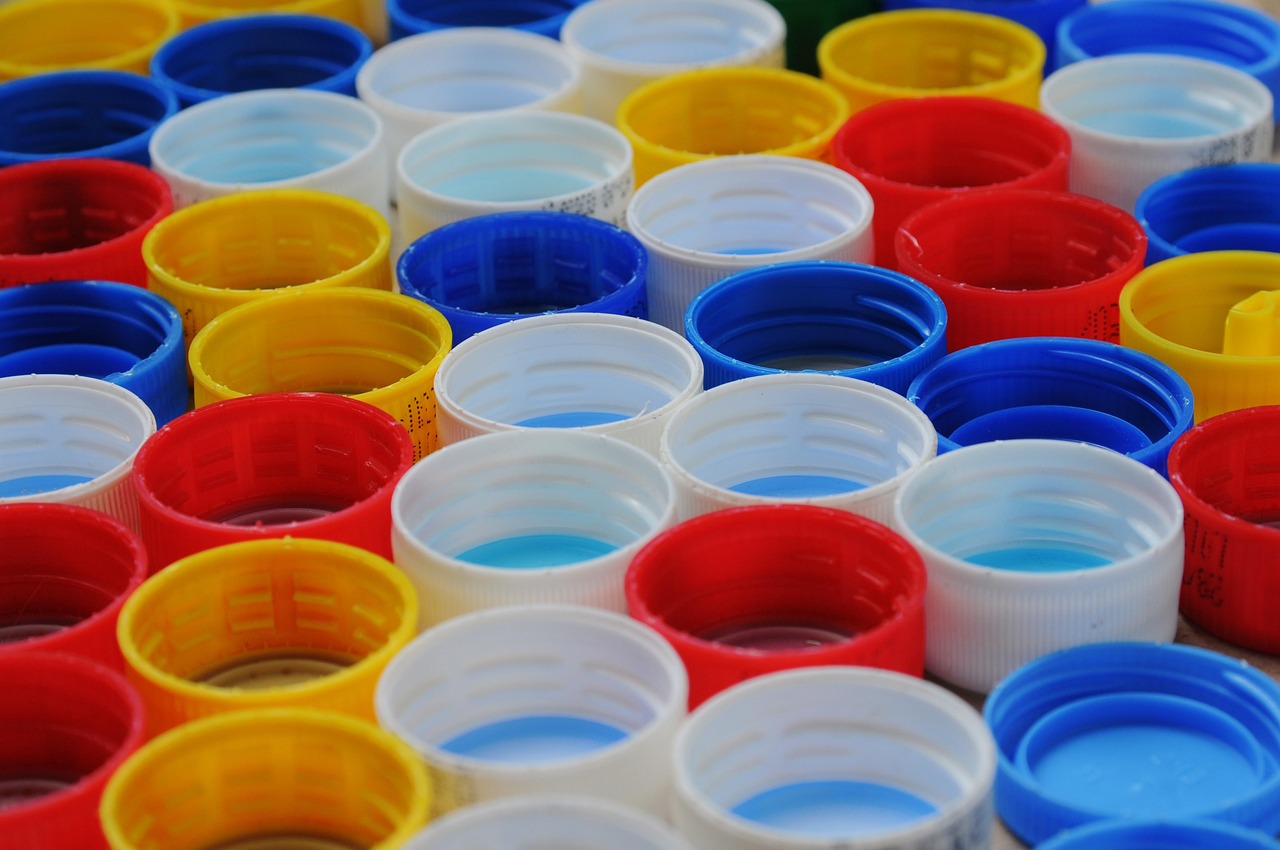
In the evolving landscape of environmental responsibility, recycling Polyethylene Terephthalate (PET) stands out as a key initiative in reducing plastic waste and promoting sustainability. Found in everyday items such as water bottles, packaging, and textile fibers, PET is one of the most commonly used and easily recyclable plastics. When managed responsibly through recycle PET has the potential to contribute significantly to sustainable production, particularly in the beverage and textile industries.
Understanding PET and Its Recyclability
PET is a lightweight, durable plastic often chosen for its strength, clarity, and food-safe qualities. Its widespread use has led to a growing need for responsible end-of-life solutions. Fortunately, PET is fully recyclable and can be reprocessed multiple times without major degradation, making it ideal for closed-loop systems.
Recycled PET (rPET) can be transformed into new bottles, containers, and even polyester fibers used in clothing, upholstery, and industrial applications. This capability supports both environmental goals and the growing market demand for sustainable materials.
Bottles to Bottles: A Circular Approach
The “bottle-to-bottle” recycling model is a prime example of how PET can support circular economy practices. Used PET bottles are collected, sorted, cleaned, and then melted down to create new preforms or pellets. These are then remolded into new bottles ready for reuse. This cycle helps reduce the reliance on virgin plastic, conserves energy, and minimizes greenhouse gas emissions.
Food-grade rPET is now widely used in beverage and food packaging due to advancements in recycling technology that ensure purity and safety. Companies incorporating rPET in their packaging not only lower their environmental impact but also appeal to eco-conscious consumers.
Textile Applications: Transforming PET into Fiber
Beyond packaging, recycled PET has found a second life in the textile industry. The polyester fibers derived from rPET are used in a wide range of products, including clothing, bags, carpeting, and automotive interiors. This process typically involves melting the cleaned plastic into fibers, which are then spun into yarn or fabric.
Recycled polyester is becoming increasingly popular in fashion and home textiles due to its durability, versatility, and sustainability. With the rising demand for environmentally friendly garments, brands are integrating rPET into their supply chains to promote a circular approach to apparel manufacturing.
Environmental and Economic Benefits
Recycling PET conserves resources, reduces landfill waste, and lowers energy consumption. It is estimated that producing rPET uses up to 50% less energy than producing virgin PET. Moreover, recycling initiatives help generate employment opportunities in collection, sorting, and processing industries, contributing to local economies.
Additionally, using rPET in textiles and packaging decreases the overall carbon footprint of products, supports corporate sustainability efforts, and drives innovation in material science.
Conclusion
Recycling PET plays a vital role in making both bottles and textiles more sustainable. By closing the loop through efficient collection, processing, and reuse, industries can reduce their environmental impact while meeting the growing demand for responsible production. As technology advances and consumer awareness grows, PET recycling will continue to be a cornerstone of sustainable development across multiple sectors.