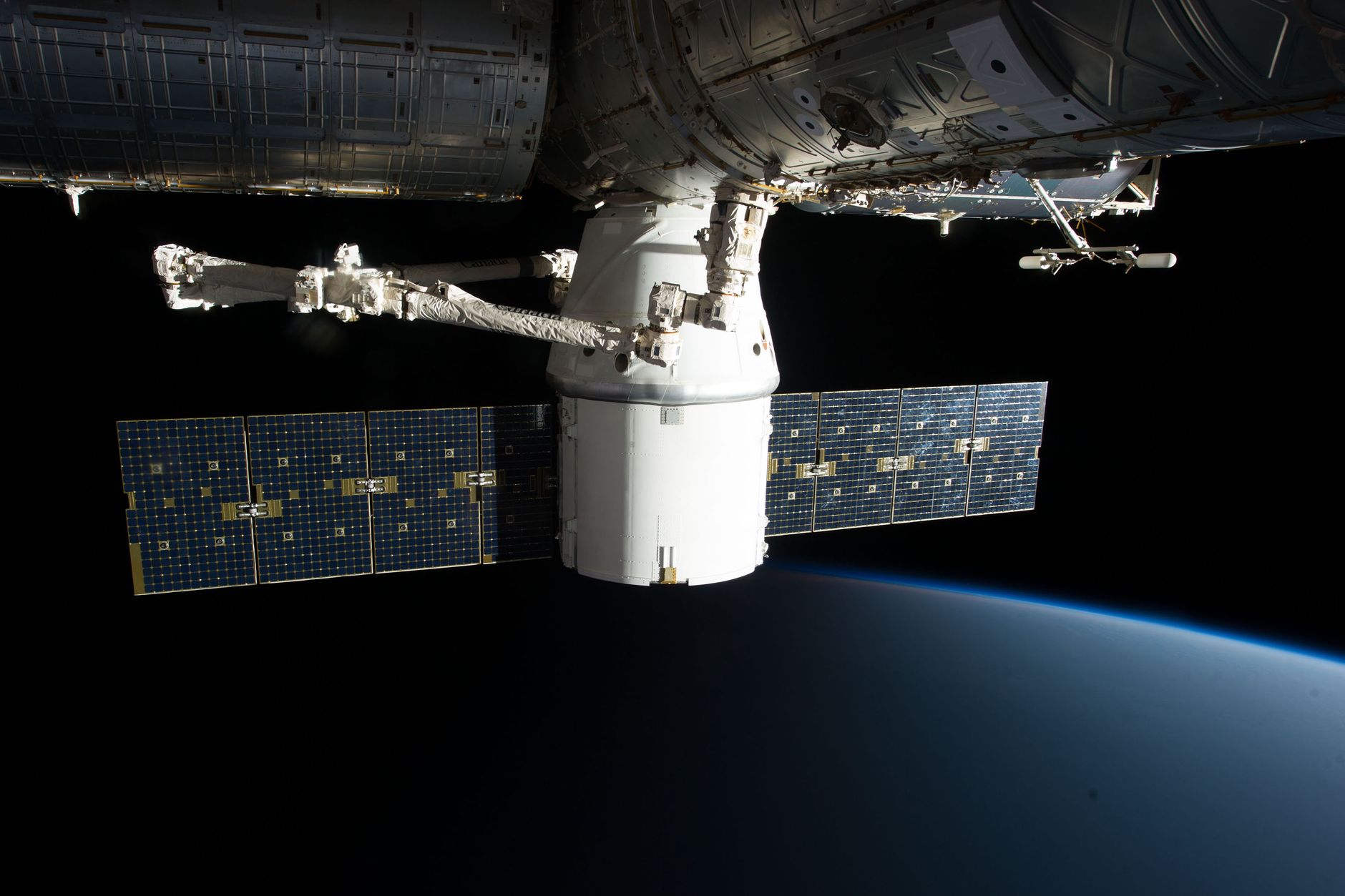
The ISS mission tiny brains hearts aims to explore the effects of microgravity on brain and heart development.
What is the ISS mission?
The International Space Station (ISS) mission is a groundbreaking initiative aimed at advancing our understanding of various biological processes in microgravity. This mission specifically focuses on studying tiny brains and hearts, which are essential for uncovering the effects of space travel on human health.
During this mission, researchers will send a collection of organoids—miniature versions of organs created from stem cells—aboard the ISS. These tiny brains and hearts will provide invaluable insights into how prolonged exposure to microgravity impacts cellular activity and development.
Moreover, the findings from this ISS mission could lead to significant advancements in medical research, potentially improving treatments for various neurological and cardiovascular diseases on Earth. Through this unique opportunity, scientists hope to unlock the mysteries of human physiology in space, paving the way for future interstellar exploration.
Significance of studying tiny brains
The significance of studying tiny brains and hearts in space cannot be overstated. Research conducted aboard the International Space Station (ISS) provides unique insights into human biology, particularly in understanding how microgravity affects cellular development and function. This mission focuses on a collection of tiny brains and hearts, which serve as crucial models for various diseases.
By examining these tiny brains and hearts, scientists can:
- Investigate neurological disorders: Understanding how gravity affects neural development can lead to breakthroughs in treating conditions like Alzheimer’s and Parkinson’s.
- Study cardiac function: Observing heart cells in microgravity helps researchers learn about heart disease and potential therapies.
- Enhance drug testing: The unique environment of the ISS offers a new platform for evaluating the effects of medications on these miniature models.
Ultimately, this ISS mission is a pivotal step toward advancing biomedical research.
How microgravity affects heart health
The unique environment of microgravity aboard the International Space Station (ISS) provides an unparalleled opportunity to study the effects on heart health. Research indicates that microgravity can lead to various cardiovascular changes, including alterations in heart rhythm and function.
In a recent mission, scientists are investigating how these changes impact tiny brains and hearts, specifically looking at the cellular responses in both organs. Understanding how microgravity influences these systems can offer critical insights into how the heart adapts to different environments.
Key areas of focus include:
- Effects of fluid distribution on cardiovascular performance
- Impact on gene expression in heart cells
- Potential for microgravity to exacerbate existing heart conditions
Ultimately, the findings could pave the way for improved treatments for heart-related diseases on Earth.
Recent advancements in space research
Recent advancements in space research have opened new avenues for understanding the complexities of human biology. Scientists have begun to send tiny brains and hearts to the International Space Station (ISS) in order to study their development and responses to microgravity. This research is crucial as it mimics certain conditions that are difficult to replicate on Earth.
Utilizing the unique environment of the ISS mission, researchers can observe how tiny brains and hearts behave in space, providing insights that could lead to breakthroughs in medical science. Some of the key advancements include:
- Enhanced understanding of cellular processes
- Improved models for drug testing
- Insights into neurodevelopmental disorders
These findings may not only benefit astronauts but also have profound implications for health care on Earth.
The role of tiny hearts in science
The study of tiny hearts is becoming increasingly significant in scientific research, particularly in the context of the ISS mission. These miniature models provide invaluable insights into human cardiovascular health, helping researchers understand the complexities of heart function in microgravity.
Through the ISS mission, scientists are able to observe how these tiny hearts respond to the unique conditions of space. The interaction between tiny brains and hearts offers a comprehensive view of biological processes, leading to groundbreaking discoveries.
Key benefits of studying tiny hearts include:
- Understanding heart development: Insights into how hearts grow and function under different conditions.
- Drug testing: Evaluating the effectiveness of cardiovascular drugs in a controlled environment.
- Linking heart health to brain function: Investigating the relationship between cardiac and neurological health.
As research progresses, the role of tiny hearts in science becomes ever more critical, particularly in conjunction with tiny brains aboard the ISS mission.
Future implications for biomedical research
The ISS mission, which involves the study of tiny brains and hearts, holds significant potential for the future of biomedical research. By conducting experiments in microgravity, researchers can gain insights that are challenging to achieve on Earth.
Some future implications include:
- Understanding Disease Mechanisms: Studying tiny brains can reveal fundamental processes related to neurodegenerative diseases.
- Advancements in Regenerative Medicine: Insights gained from tiny hearts may lead to breakthroughs in heart repair and regeneration.
- Pharmaceutical Development: Microgravity research could expedite the development of new drugs by providing unique biological responses.
- Improved Health Outcomes: Findings may translate into better treatments for patients on Earth, enhancing overall health and wellness.
As the ISS mission progresses, the implications for tiny brains and hearts in the realm of biomedical research continue to expand, promising exciting advancements for the future.
Conclusion and next steps
In conclusion, the ISS mission stands as a groundbreaking platform for studying tiny brains and hearts, providing unique insights that are unattainable on Earth. As researchers analyze the effects of microgravity on these crucial biological systems, the findings could pave the way for significant advancements in understanding human health, particularly in relation to neurodegenerative diseases and cardiovascular conditions.
Moving forward, scientists are eager to expand their investigations into the long-term impacts of space environments on tiny brains and hearts. Future missions may incorporate more complex experiments, including the use of advanced imaging technologies and genetic analysis.
As we continue to push the boundaries of space research, the collaboration between space agencies and biomedical researchers will be vital in unlocking the mysteries of human health and disease, ultimately benefiting life both on Earth and beyond.
The ISS mission tiny brains hearts initiative has opened new avenues for understanding neurological development. Researchers are excited about the potential discoveries that could arise from studying tiny brains in microgravity.
Photo by SpaceX on Pexels
References
You might also like
HomePod Mini 2: Is It the Worst Siri Experience Yet? · AI Enterprise Workflows: Are They the Best Solution for Businesses? · Valor Mortis DLC: Is It Worth the Wait for 2027?