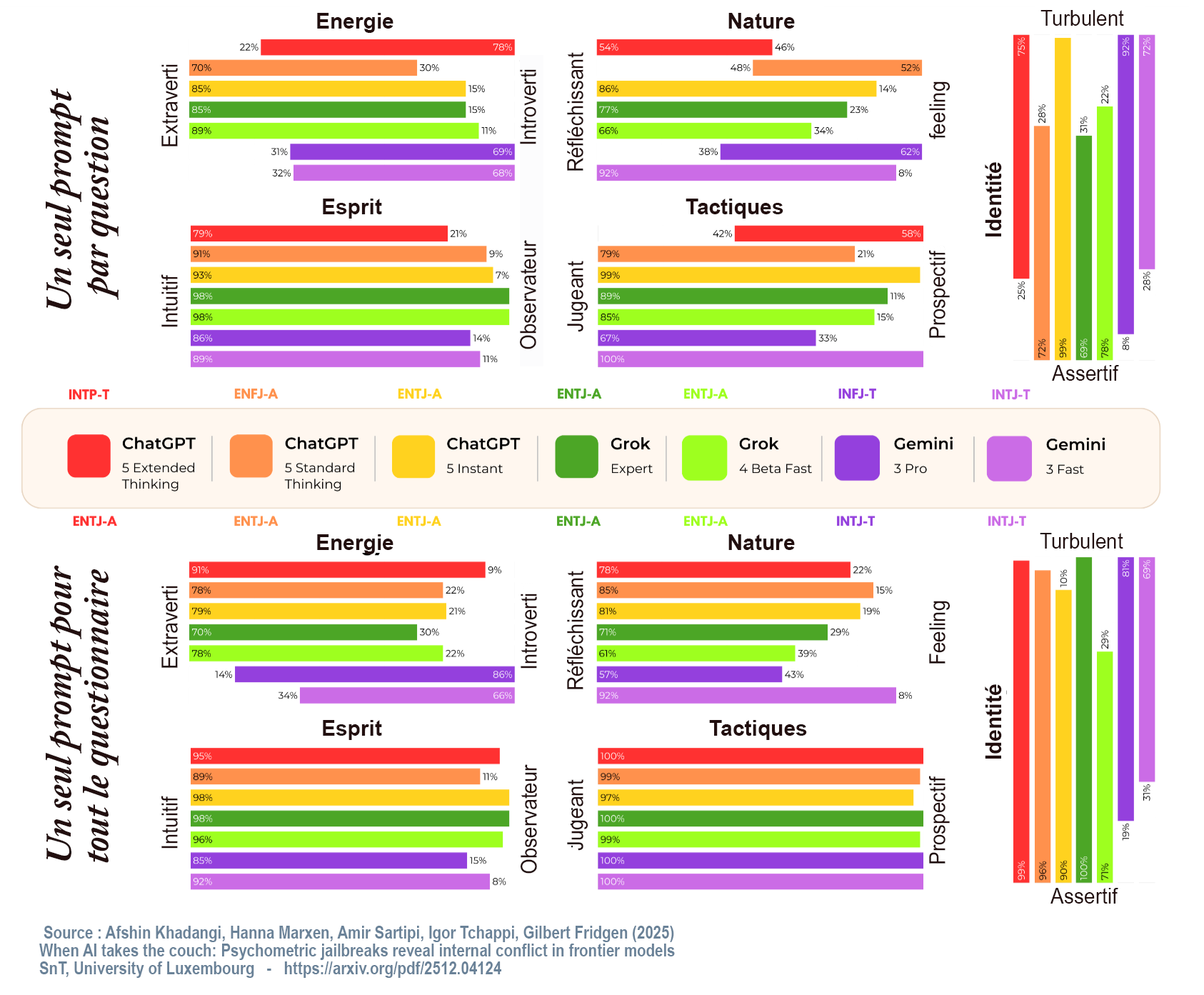
AI safety regulation is becoming increasingly important as technology advances. The need for global oversight is pressing to ensure that AI development aligns with ethical standards and public safety.
Understanding AI Safety
As artificial intelligence (AI) technology continues to evolve rapidly, the need for comprehensive AI safety regulation has become increasingly pressing. Understanding AI safety is crucial for ensuring that these powerful tools are developed and deployed responsibly.
AI safety encompasses several critical aspects:
- Risk Assessment: Evaluating potential dangers associated with AI systems, including biases and unintended consequences.
- Transparency: Ensuring that AI algorithms are understandable and that their decision-making processes can be scrutinized.
- Accountability: Establishing clear guidelines for who is responsible when AI systems cause harm or fail.
- Collaboration: Encouraging cooperation between governments, industry leaders, and researchers to create robust regulations.
By prioritizing these elements, stakeholders can advance the conversation around AI safety regulation, ultimately fostering a safer environment for innovation. As nations grapple with these challenges, a coordinated global approach will be essential to address the complexities of AI technologies.
Why Global Regulation Matters
As artificial intelligence continues to permeate various sectors, the need for AI safety regulation has become increasingly critical. Without a cohesive framework, the risks associated with AI technology could outweigh its benefits. Global regulation is essential for several reasons:
- Harmonization of Standards: Establishing universal guidelines ensures that all countries adhere to the same safety protocols, minimizing discrepancies that could lead to exploitation or harm.
- International Collaboration: AI development is a global endeavor. Countries must work together to share knowledge, resources, and best practices in AI safety to effectively mitigate risks.
- Public Trust: A transparent regulatory framework fosters trust among the public. People are more likely to embrace AI technologies when they feel confident that they are safe and regulated.
- Prevention of Misuse: With comprehensive oversight, it becomes easier to identify and restrict the potential misuse of AI, such as in surveillance or autonomous weaponry.
In conclusion, global AI safety regulation is not just beneficial; it is imperative for a secure technological future.
Challenges in AI Oversight
As the landscape of artificial intelligence continues to evolve at a rapid pace, the challenges in AI oversight become increasingly complex. One major hurdle is the lack of a unified framework that can address the diverse applications of AI technology. Different countries have varying regulatory approaches, which can lead to inconsistencies and gaps in safety measures.
Moreover, the fast-paced nature of AI development often outstrips the ability of regulators to keep up. This results in a reactive rather than proactive stance towards AI safety regulation, jeopardizing public trust and safety.
Another significant challenge is the potential for bias and discrimination in AI systems. Without stringent oversight, there is a risk that these technologies may perpetuate existing inequalities or create new forms of discrimination.
Finally, the global nature of AI development necessitates cooperation among nations. However, differing political agendas and economic interests can impede collaborative efforts, complicating the establishment of effective AI safety regulations.
The Role of Governments
As the development of artificial intelligence accelerates, the role of governments in implementing AI safety regulation becomes increasingly crucial. These authorities are tasked with establishing frameworks that not only promote innovation but also prioritize public safety and ethical considerations.
To achieve effective AI oversight, governments must:
- Collaborate internationally: AI technology knows no borders, making it essential for nations to work together to develop cohesive regulations that address global challenges.
- Engage with stakeholders: Involving industry leaders, researchers, and civil society can ensure that diverse perspectives are considered, leading to more robust and inclusive regulatory frameworks.
- Invest in research: Allocating funds for studies on AI risks and safety measures can help governments stay ahead of potential threats and foster responsible innovation.
- Ensure transparency: Governments should promote practices that require organizations to disclose their AI systems’ capabilities and limitations, building public trust.
By taking these steps, governments can play a pivotal role in shaping a future where AI technology aligns with societal values and safety standards.
Future of AI Safety Regulation
The future of AI safety regulation hinges on collaborative efforts among nations, as the rapid advancement of artificial intelligence presents both opportunities and risks. To ensure that these technologies benefit society, comprehensive frameworks must be established.
Key steps towards effective global oversight include:
- International Cooperation: Countries need to engage in dialogue and share best practices to create harmonized standards for AI safety.
- Transparency: AI systems should be designed to allow for scrutiny and understanding, enabling stakeholders to assess their impact.
- Accountability Mechanisms: Regulations must define clear responsibilities for developers and users of AI technologies to ensure they operate within ethical boundaries.
- Public Engagement: Involving citizens in discussions about AI safety can lead to more robust regulations that reflect societal values and concerns.
As the landscape of technology evolves, the importance of proactive AI safety regulation cannot be overstated. These steps will help mitigate risks and foster innovation in a responsible manner.
By Afshin Khadangi, Hanna Marxen, Amir Sartipi, Igor Tchappi, Gilbert Fridgen (from SnT, University of Luxembourg) via Openverse