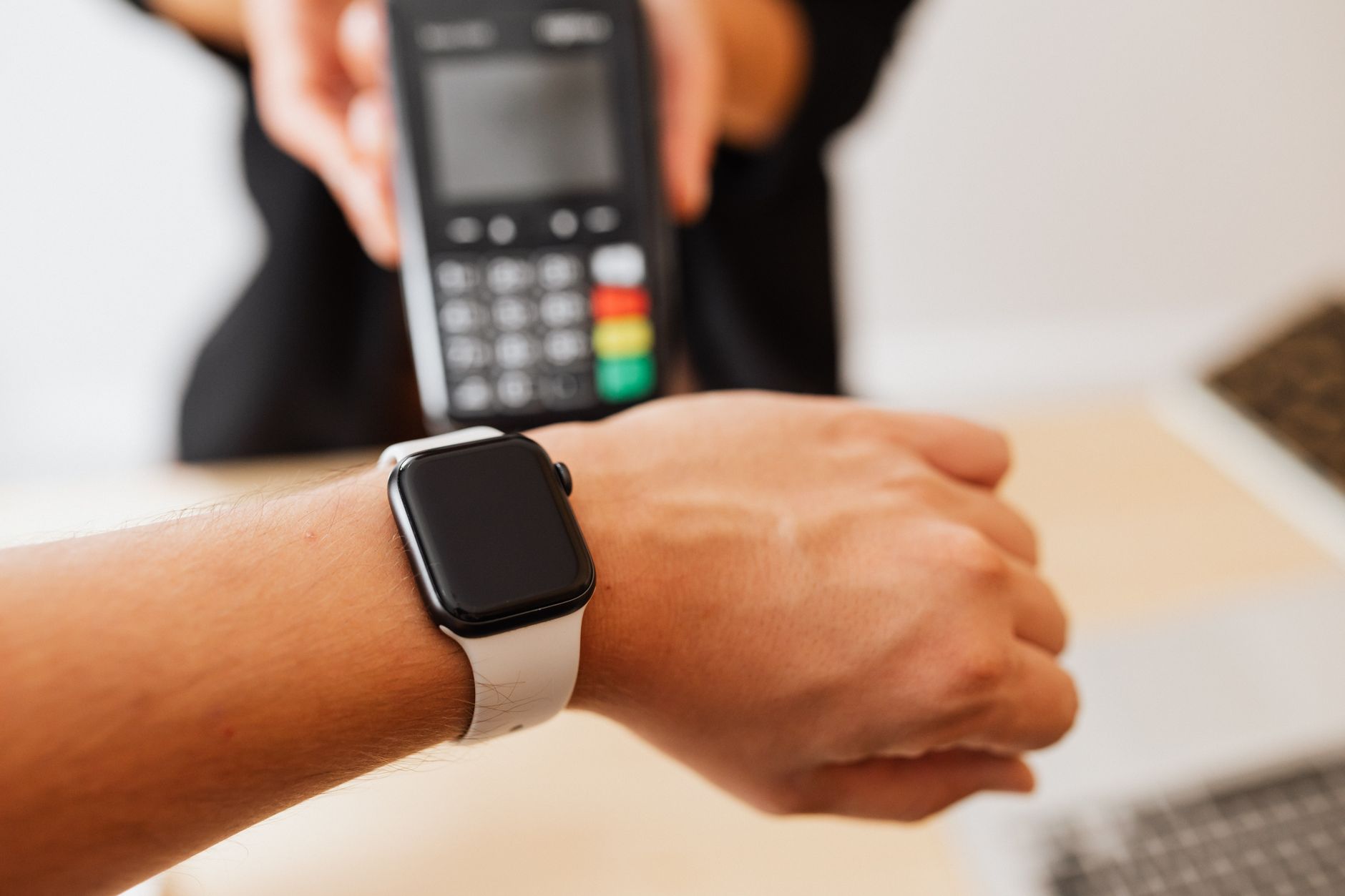
radar wristband technology is changing the way we use smart devices. This innovative gadget transforms your arm into a convenient trackpad, making interactions seamless and intuitive.
How Radar Wristband Technology Works
Radar wristband technology is an innovative advancement that transforms a simple wearable device into a versatile interface. This technology utilizes radar waves to detect motion and gestures made by the user’s hand above the wristband, effectively turning the arm into a smart trackpad.
Here’s how it functions:
- Radar Detection: The wristband emits low-power radar signals that bounce off surrounding objects, including the user’s hand.
- Gesture Recognition: It interprets hand movements—such as swipes and taps—by analyzing the changes in the radar waves reflected back.
- Real-Time Interaction: As users make gestures, the wristband processes the data instantly, allowing for immediate feedback on devices connected via Bluetooth.
- Versatile Applications: This technology can be integrated into various devices, ranging from smartphones to smart home systems, providing a seamless and touchless user experience.
With its ability to recognize complex gestures without the need for physical contact, radar wristband technology offers a glimpse into the future of wearable interfaces, enhancing how we interact with our digital environments.
The Benefits of Using a Radar Wristband
Radar wristband technology offers a range of innovative benefits that enhance user interaction with devices. This groundbreaking technology transforms your arm into a responsive trackpad, allowing for seamless navigation without the need for traditional screens or touch interfaces.
Some of the key advantages of using a radar wristband include:
- Enhanced Accessibility: The radar wristband enables users to control devices with simple gestures, making technology more accessible for individuals with mobility challenges.
- Improved Convenience: With the ability to operate devices from a distance, users can manage their smart home systems or smartphones without needing to physically touch the device.
- Discreet Interaction: The subtlety of radar wristband technology means users can interact with their devices in a more private manner, reducing the need for constant screen attention in social settings.
- Customizable Controls: Users can personalize gestures to suit their preferences, creating a unique interaction model that reflects individual needs and habits.
As radar wristband technology continues to evolve, it is poised to redefine the way we engage with our digital environment, making interactions more intuitive and efficient.
Comparing Traditional Trackpads to Radar Wristbands
As technology evolves, the way we interact with devices also changes. Traditional trackpads have been a staple in computing for years, providing users with a familiar interface for navigation. However, radar wristband technology is offering a revolutionary alternative that enhances user experience.
When comparing traditional trackpads to radar wristbands, several key differences emerge:
- Mobility: Traditional trackpads are typically fixed, requiring users to remain tethered to their devices. In contrast, radar wristbands allow for greater freedom of movement, enabling users to control devices from a distance.
- Gestural Control: While trackpads rely on touch input, radar wristbands utilize motion and gestures, offering a more intuitive and dynamic way to interact with technology.
- Ergonomics: Radar wristbands can reduce strain on the wrist and hand, as users can navigate without the need for repetitive motions associated with traditional trackpads.
- Versatility: Radar wristbands can seamlessly connect to multiple devices, making them a versatile choice for those who use various gadgets throughout their day.
Ultimately, radar wristband technology represents a significant step forward, bridging the gap between wearables and traditional input methods.
User Experience: What to Expect
The introduction of radar wristband technology is set to revolutionize the way users interact with their devices. With its innovative design, this technology allows users to control their smartphones and other gadgets seamlessly, transforming their arm into a responsive trackpad.
Users can expect a highly intuitive experience, as the radar wristband detects subtle hand movements and gestures. This eliminates the need for physical contact with screens and enhances accessibility for individuals with mobility challenges.
Some key features of the user experience include:
- Gesture Recognition: Users can navigate their devices with simple hand movements, making it easy to scroll, select, or zoom.
- Customizable Controls: The radar wristband technology allows users to set personalized gestures for specific functions, tailoring the experience to individual preferences.
- Seamless Integration: The wristband pairs effortlessly with existing smart devices, ensuring a smooth transition for users familiar with traditional trackpads.
Overall, the radar wristband technology promises to enhance user interaction, paving the way for a more advanced and engaging digital experience.
Potential Applications of Radar Wristbands
The potential applications of radar wristband technology are vast and varied, opening up new avenues for interaction and control in both personal and professional settings. This innovative technology not only enhances user experience but also paves the way for more intuitive interfaces.
- Healthcare Monitoring: Radar wristbands can track vital signs such as heart rate and respiration, providing real-time feedback to both users and healthcare professionals.
- Smart Home Control: Users can manage smart home devices with simple gestures, allowing for seamless integration into daily life without the need for physical remotes or touchscreens.
- Gaming: In the gaming industry, radar wristbands could offer a new level of interaction, enabling players to control their games with hand movements, enhancing immersion and engagement.
- Accessibility: For individuals with mobility challenges, radar wristbands could serve as an adaptive tool, making technology more accessible through gesture-based commands.
- Wearable Technology: As part of a larger ecosystem of wearable devices, radar wristbands can interact with smartphones and smartwatches, providing a more comprehensive user experience.
As radar wristband technology continues to evolve, its applications are likely to expand, transforming the way we interact with our digital environments.
Innovations in Wearable Tech
The landscape of wearable technology is rapidly evolving, with innovations like radar wristband technology leading the charge. These devices are not only enhancing user interaction but also redefining the way we engage with our digital environments.
One of the most notable advancements in this field is the integration of radar technology into wristbands, which allows users to control various devices with simple hand gestures. This hands-free approach not only improves accessibility but also opens up new possibilities for multitasking in our fast-paced lives.
Moreover, radar wristband technology is generating interest among developers who are exploring its potential in different sectors. Some of the key innovations include:
- Gesture Recognition: The ability to accurately interpret user movements enhances interaction without the need for physical touch.
- Health Monitoring: Features that track vital signs while providing seamless connectivity to smartphones and smartwatches.
- Customization: Users can personalize their experience, tailoring the technology to meet unique preferences and needs.
As these advancements continue to emerge, the future of wearable technology looks promising, with radar wristband technology paving the way for smarter, more intuitive devices.
Future of Smart Device Interactions
The future of smart device interactions is rapidly evolving, and radar wristband technology is at the forefront of this transformation. As users continue to seek more intuitive and seamless ways to engage with their devices, this innovative technology offers a promising solution. By turning the user’s arm into a touch-sensitive trackpad, radar wristbands enable precise gesture control, enhancing the overall experience of interacting with smart devices.
In the coming years, we can anticipate various advancements in radar wristband technology that will further refine its capabilities. These may include:
- Enhanced Gesture Recognition: Improved algorithms will allow for more complex and varied gestures to be recognized, making interactions more fluid.
- Integration with Smart Environments: As smart homes and offices become more prevalent, radar wristbands can serve as a bridge to control multiple devices effortlessly.
- Personalization: Users will be able to customize gesture commands to suit their individual preferences, making technology even more accessible.
Ultimately, radar wristband technology promises to redefine how we interact with the digital world, paving the way for a more connected and responsive future.
Expert Opinions on Radar Technology
Experts in the field of wearable technology are increasingly optimistic about the potential of radar wristband technology. According to Dr. Emily Carter, a leading researcher in human-computer interaction, “The integration of radar technology into wristbands offers a seamless way to interact with devices. Users can control their smart gadgets with simple gestures, enhancing convenience and efficiency.”
Another industry expert, Mark Thompson, a product designer, emphasized the innovative aspects of this technology. “By transforming the arm into a trackpad, radar wristbands eliminate the need for physical touchscreens, making interactions more intuitive. This could revolutionize how we engage with our devices, especially in scenarios where hands-free operation is essential.”
Furthermore, Dr. Sarah Lin, a technology analyst, noted, “The precision of radar sensors allows for accurate gesture recognition, which could lead to new applications in various fields, from gaming to healthcare.”
As radar wristband technology continues to evolve, the consensus among experts is clear: its ability to redefine user interactions is not just a trend but a significant leap forward in wearable tech.
Photo by https://kaboompics.com/ on Pexels