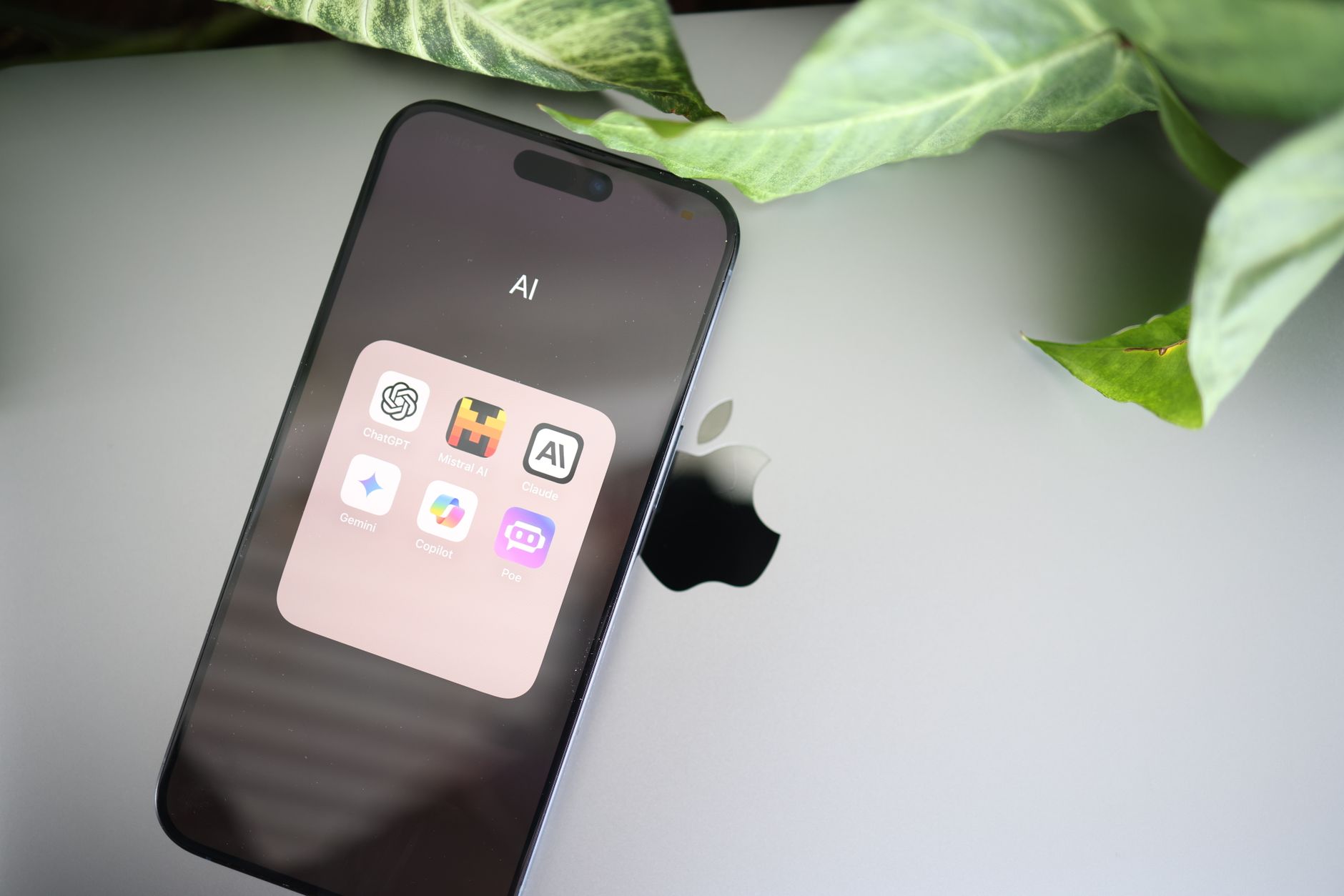
AI personal device tools are transforming how users interact with technology. Tether’s latest release, QVAC BotPsy, exemplifies this evolution by providing advanced capabilities for personal devices.
Introduction to AI Personal Device Tools
In recent years, the rise of AI personal device tools has transformed the way users interact with technology. These innovative tools leverage artificial intelligence to enhance productivity, streamline daily tasks, and provide personalized experiences. As our reliance on technology grows, the demand for smart solutions that can adapt to individual preferences has never been higher.
Companies like Tether are at the forefront of this evolution. Their recent release of the QVAC BotPsy marks a significant advancement in tool-using AI on personal devices, enabling users to harness the power of AI in their everyday lives. This tool is designed to perform a variety of functions, from managing schedules to offering tailored recommendations based on user behavior.
The benefits of integrating AI personal device tools into our daily routines include:
- Increased Efficiency: Automating repetitive tasks allows users to focus on more important activities.
- Enhanced Personalization: AI tools learn from user interactions to provide customized suggestions and solutions.
- Improved Decision Making: Access to real-time data and insights supports more informed choices.
As technology continues to advance, AI personal device tools are set to become indispensable for users seeking smarter, more efficient ways to navigate their lives.
How QVAC BotPsy Enhances User Experience
The recent launch of the QVAC BotPsy by Tether marks a significant advancement in the realm of AI personal device tools. Designed to enhance user experience, this innovative solution provides a range of features that cater to the diverse needs of users.
One of the standout capabilities of QVAC BotPsy is its intuitive interface, which simplifies interactions between the user and their devices. This tool adapts to user preferences, learning patterns over time to offer personalized suggestions and services. As a result, users can navigate their devices more efficiently, saving time and effort.
Additionally, QVAC BotPsy employs advanced natural language processing features, allowing for seamless communication. Users can issue commands or ask questions in a conversational manner, making the technology feel more accessible and user-friendly.
Moreover, the integration of machine learning algorithms enhances the tool’s ability to predict user needs, making it a valuable companion for everyday tasks. Whether it’s setting reminders, managing schedules, or providing information, QVAC BotPsy exemplifies how AI personal device tools can elevate productivity and user satisfaction.
- Intuitive interface for easy navigation
- Advanced natural language processing
- Machine learning for personalized assistance
Key Features of Tether’s Latest Release
Tether’s latest release, the QVAC BotPsy, introduces several key features designed to enhance user interaction with AI personal device tools. These innovations aim to streamline tasks and improve overall efficiency for users.
- Intuitive User Interface: The QVAC BotPsy offers a user-friendly interface that simplifies navigation. Users can easily access tools and functionalities without extensive training.
- Advanced Natural Language Processing: This feature allows users to communicate with the device in a conversational manner, making interactions more fluid and natural. The AI can understand context and respond appropriately, enhancing usability.
- Personalized Recommendations: The system learns from user behavior, providing tailored suggestions that optimize the use of AI personal device tools. This adaptability ensures that the device evolves with the user’s needs.
- Robust Security Measures: With privacy being a top concern, Tether has integrated advanced security protocols to protect user data, ensuring a safe experience when utilizing AI features.
- Multi-Device Compatibility: The QVAC BotPsy seamlessly integrates with various devices, making it a versatile choice for users seeking a cohesive AI experience across platforms.
These features position Tether’s QVAC BotPsy as a leading choice in the realm of AI personal device tools.
The Future of AI in Personal Devices
The future of AI in personal devices is poised for remarkable advancements that will redefine user interaction and efficiency. As technology continues to evolve, AI personal device tools are becoming increasingly sophisticated, allowing for seamless integration into daily life.
One of the most significant trends is the enhancement of predictive analytics. By analyzing user behavior, these tools can anticipate needs and provide personalized recommendations, making technology more intuitive. Furthermore, as machine learning algorithms improve, AI tools will become better at understanding context, enabling them to respond more accurately to user requests.
Another promising development is the integration of voice recognition and natural language processing. These technologies will allow users to engage with their devices through conversational interfaces, creating a more user-friendly experience. In addition, advancements in security features will ensure that personal data remains protected as reliance on AI personal device tools grows.
Finally, the expansion of AI capabilities into various sectors, such as health care and education, will further illustrate the potential of these tools. As we look ahead, the role of AI in personal devices will undoubtedly evolve, offering innovative solutions that cater to the dynamic needs of users.
Comparing AI Tools for Personal Use
As the market for AI personal device tools continues to grow, users have a plethora of options to choose from. Each tool offers unique features and functionalities designed to enhance the user experience. Here, we compare some of the most popular AI tools available for personal use.
- QVAC BotPsy: Known for its intuitive interface, QVAC BotPsy leverages advanced algorithms to provide personalized recommendations. Users appreciate its ability to learn from interactions, making it a standout choice among AI personal device tools.
- Tether’s Latest Release: Tether has made significant strides in integrating AI into everyday tasks. Its latest release focuses on seamless connectivity across devices, enabling users to manage tasks efficiently. The emphasis on user-friendly design has garnered positive feedback from early adopters.
- Smart Assistant Integration: Many devices now come equipped with smart assistants that utilize AI to anticipate user needs. These tools can manage schedules, control smart home devices, and even provide tailored news updates, making them essential in modern personal devices.
Overall, while the variety of AI personal device tools can be overwhelming, understanding their key features and benefits will help users make informed decisions that best suit their needs.
Photo by Solen Feyissa on Pexels