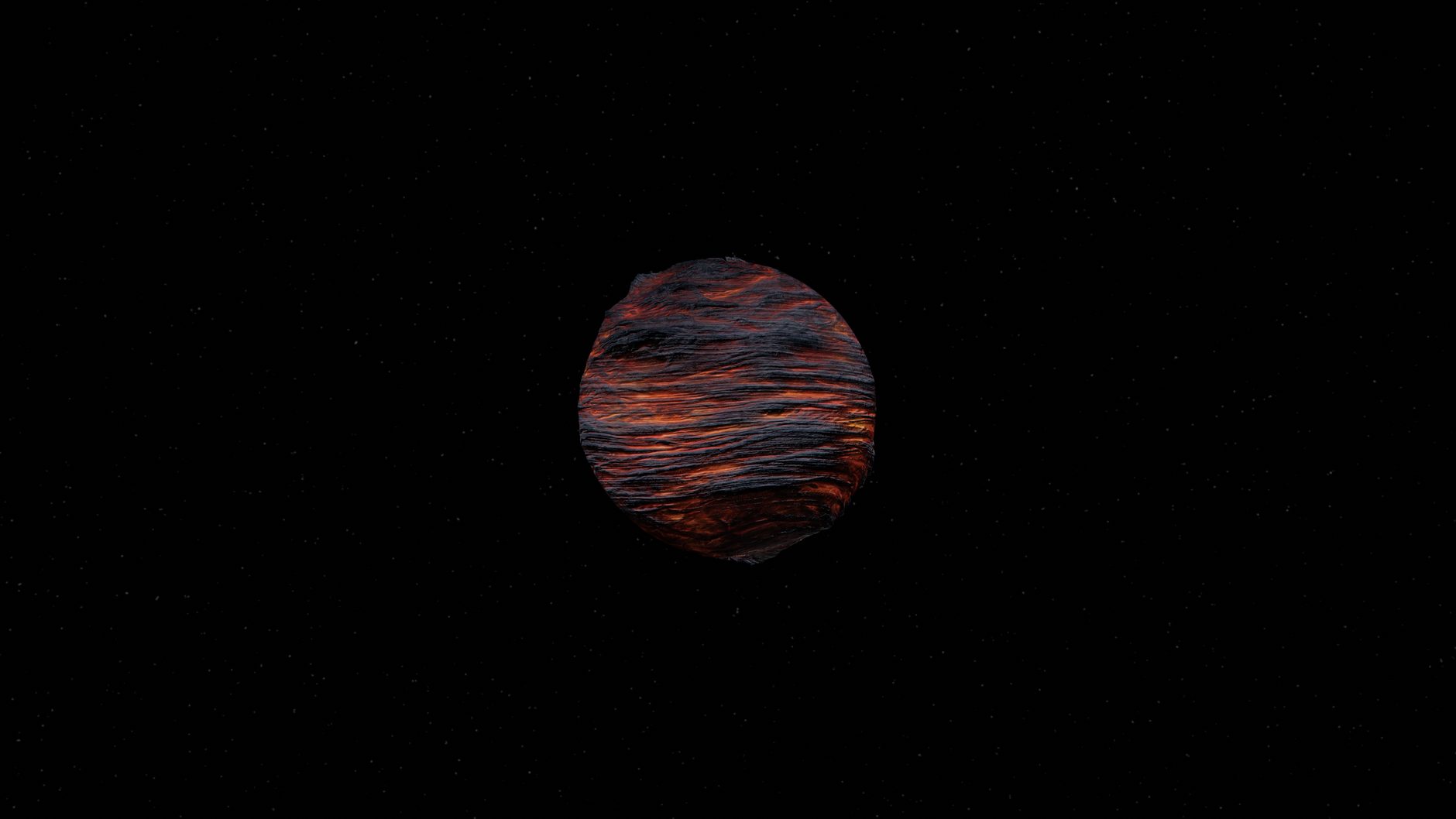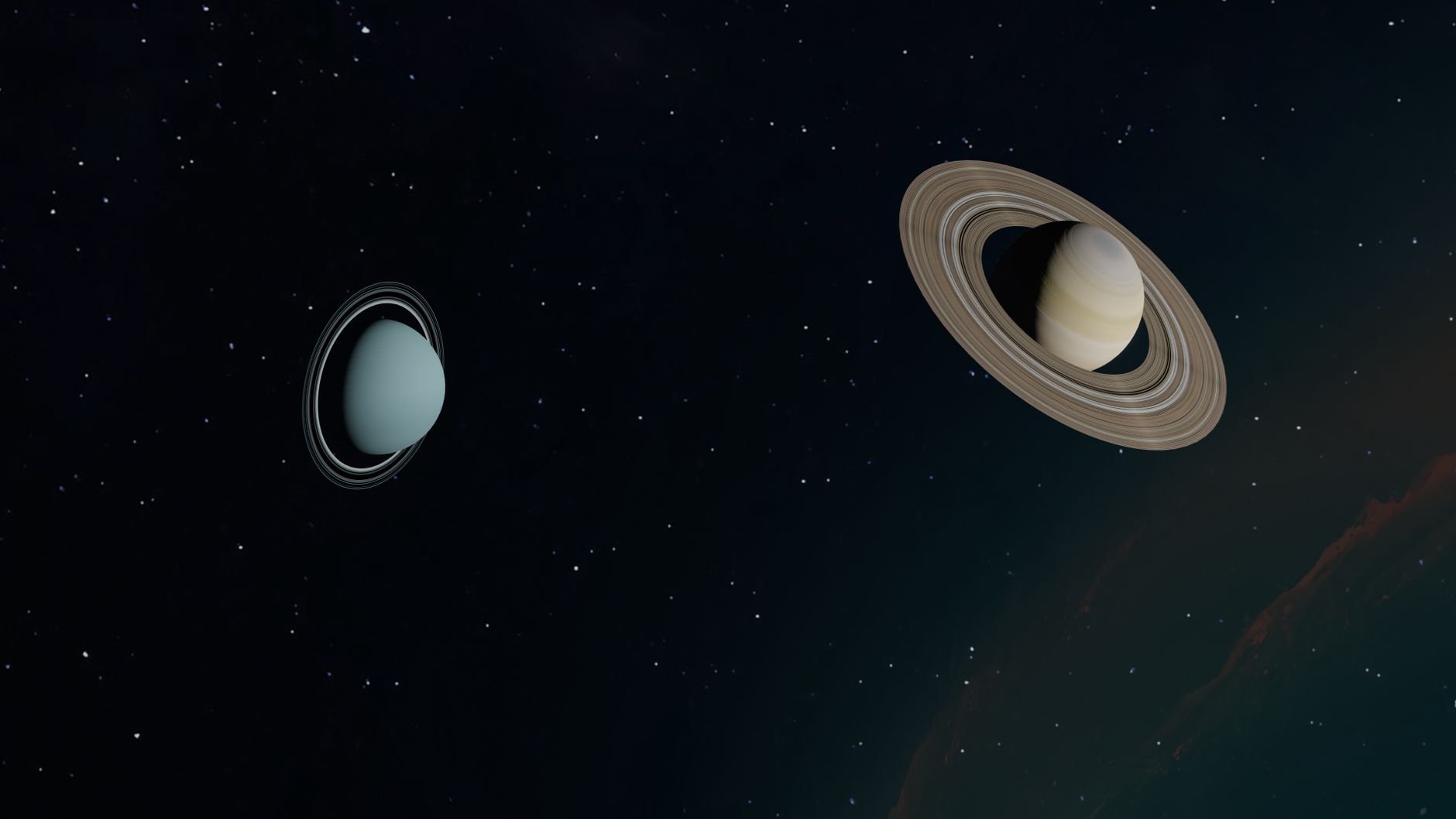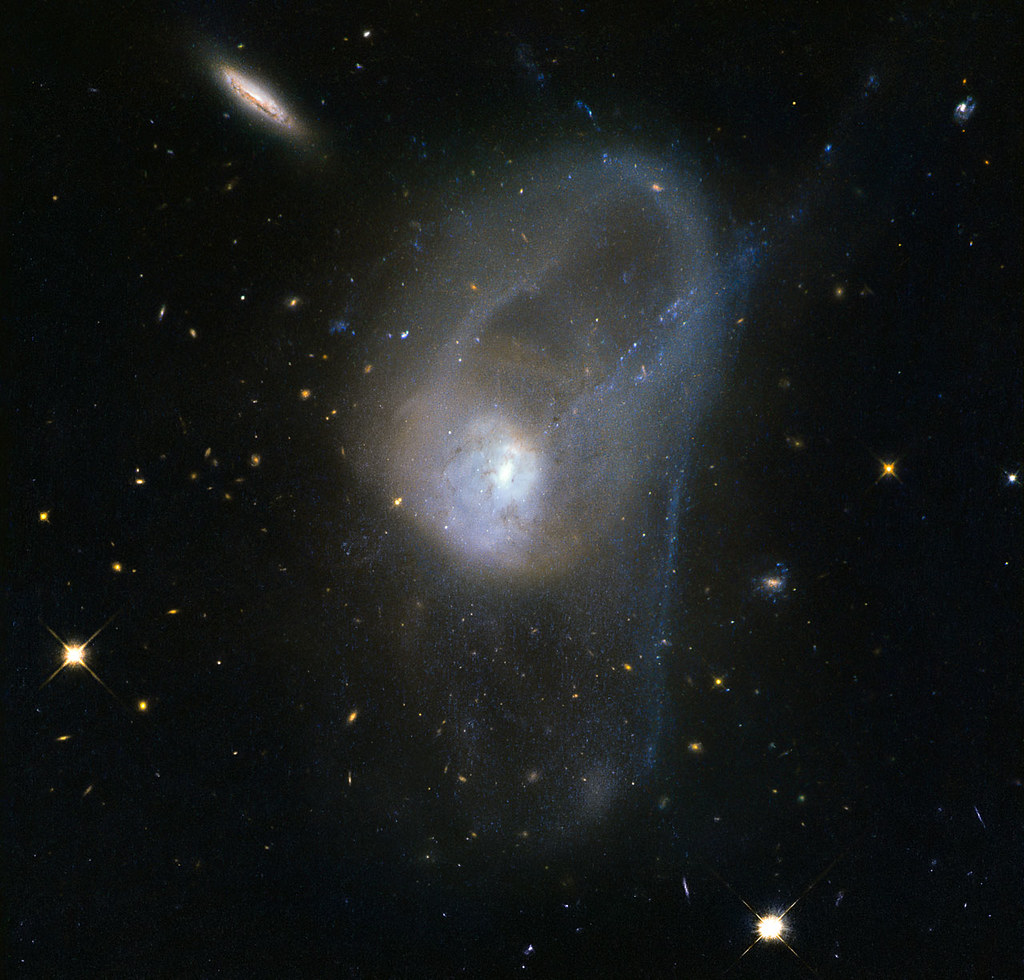
stellar merger observations have unveiled a giant star swallowing its companion, providing unprecedented insights into cosmic events.
What is a stellar merger?
A stellar merger occurs when two stars collide and combine to form a single, more massive star. This astronomical event can happen in various ways, often involving binary star systems where two stars orbit each other closely. Over time, gravitational interactions can lead to one star spiraling into the other, culminating in a dramatic merger.
The process of a stellar merger is not only fascinating but also significant in understanding the lifecycle of stars and the evolution of galaxies. When two stars merge, they can produce a variety of outcomes, including:
- Supernova events: Some mergers can trigger explosive phenomena, resulting in a supernova that disperses heavy elements into space.
- Formation of new star types: The merger can lead to the creation of a unique star, sometimes resulting in a blue supergiant or a different stellar classification.
- Gravitational waves: These cosmic ripples can be generated by the violent collision, providing insights into the dynamics of such events.
Recent stellar merger observations using the James Webb Space Telescope have provided unprecedented insights into this process, revealing a giant star consuming its companion—an event that underscores the violent nature of the universe.
The role of the James Webb Telescope
The recently enhanced capabilities of the James Webb Space Telescope have ushered in a new era of astronomical discoveries. Among these, the telescope’s role in stellar merger observations has proven pivotal. For the first time, astronomers have captured stunning footage of a giant star engulfing its companion, shedding light on the intricacies of such cosmic events.
Utilizing infrared technology, the James Webb Telescope can peer through cosmic dust and gas, revealing phenomena that were previously obscured. This capability was crucial in observing the stellar merger, allowing scientists to analyze the process in unprecedented detail.
Key findings from the observations include:
- Temperature Analysis: The temperature of the surrounding material was measured, providing insights into the energy dynamics during the merger.
- Mass Transfer: The telescope tracked the mass transfer between the stars, highlighting the gravitational interactions at play.
- Evolutionary Pathways: These observations help astronomers understand the evolutionary pathways of massive stars, particularly in relation to their eventual fates.
As scientists continue to analyze this groundbreaking data, the James Webb Telescope stands as a cornerstone tool in the quest to unravel the mysteries of stellar mergers and the broader universe.
Impact on our understanding of stars
The recent stellar merger observations made by the James Webb Telescope have significantly advanced our understanding of stellar evolution and the dynamics of such cosmic events. These observations provide crucial insights into the processes that occur when two stars collide and merge into one. Researchers are particularly intrigued by the implications of these findings on the life cycles of stars and the formation of new stellar systems.
One major impact of these observations is the revelation that stellar mergers can lead to the creation of extremely massive stars that may end their lives as powerful supernovae. This challenges previous models that did not fully account for the frequency and effects of such mergers in star formation theories. Additionally, the observations suggest that the gravitational forces during a merger can result in the ejection of significant amounts of material into space, potentially enriching the surrounding interstellar medium with heavy elements.
Moreover, understanding the conditions under which stellar mergers occur helps astronomers refine their models of stellar populations in galaxies. As researchers continue to analyze the data, they hope to uncover more about the role of these cosmic events in the broader context of galactic evolution. With the advancements in technology, future observations promise to deepen our comprehension of the universe and the life cycles of stars.
Previous observations of stellar mergers
Previous observations of stellar mergers have significantly advanced our understanding of these cosmic phenomena. Historically, astronomers relied on indirect evidence from various telescopes to infer the existence of stellar mergers, but the advent of more advanced technology has changed the landscape of these observations.
In recent years, several notable cases have provided insight into the mechanics and aftermath of stellar mergers:
- V838 Monocerotis: Initially identified in 2002, this red supergiant star exhibited unusual brightness and color changes, suggesting it had consumed a companion star.
- NGC 2442: Observations of this galaxy revealed a potential merger event, as its distorted shape indicated gravitational interactions between its stars.
- GRB 170817A: This event, linked to a neutron star merger, was pivotal in understanding the electromagnetic counterparts to gravitational waves, marking a breakthrough in multi-messenger astronomy.
These prior stellar merger observations laid the groundwork for the latest findings by the James Webb Telescope, particularly the observation of a giant star swallowing its companion in what is described as the worst case of cosmic swallowing. This event not only confirms existing theories but also raises new questions about the life cycles of stars and their interactions.
Future implications for astronomy
The recent stellar merger observations have significant implications for the field of astronomy, reshaping our understanding of cosmic events. As researchers analyze data from the James Webb Telescope, they anticipate new insights into the life cycles of stars and the processes that govern their interactions.
First and foremost, these observations could lead to a better understanding of how stars evolve and ultimately merge. By studying the aftermath of a merger, astronomers can gather critical information about the materials and energies released during such events, paving the way for advancements in theoretical models.
Furthermore, the implications extend beyond individual stars. The data collected may refine our knowledge of galaxy formation and evolution, as stellar mergers play a crucial role in the dynamics of galactic structures. This could result in more accurate simulations of our universe’s history.
Additionally, the findings could influence the search for exoplanets. Understanding how stellar mergers affect surrounding environments may help scientists predict the habitability of planets in close proximity to merging stars. Overall, the future of astronomy looks promising as researchers continue to delve into the mysteries revealed by these groundbreaking stellar merger observations.
Key takeaways from the findings
The recent observations of a stellar merger have unveiled pivotal insights into the nature of these cosmic events. Here are the key takeaways from the findings:
- First-ever observations: The James Webb Telescope has made groundbreaking observations of a giant star engulfing its companion, marking a significant milestone in astronomical research.
- Cosmic swallowing: This discovery showcases the extreme conditions during a stellar merger, providing a clear example of how one star can completely consume another.
- Enhanced understanding: The data gathered enhances our understanding of the life cycle of stars and the dynamics involved in stellar mergers, highlighting the complexities of stellar evolution.
- Broader implications: These findings may influence theories related to the formation of black holes and neutron stars, as stellar mergers play a crucial role in these processes.
- Future exploration: The observations open new avenues for research, encouraging astronomers to seek out additional stellar merger events to further investigate their characteristics and consequences.
Overall, the stellar merger observations not only shed light on a specific event but also contribute significantly to the broader understanding of cosmic phenomena.
Recent stellar merger observations have provided unprecedented insights into the dynamics of cosmic events. These stellar merger observations reveal the complexities of galactic interactions that lead to the worst case of cosmic swallowing.
By NASA Goddard Photo and Video via Openverse
Read the original
You might also like
What Makes Evidence-Based Thinking Essential in Medical Research? · FHA Partial Claims Rules: New Bill Offers Smart Solutions · Splatoon 3 Update: The Best Proven Changes You Need to Know