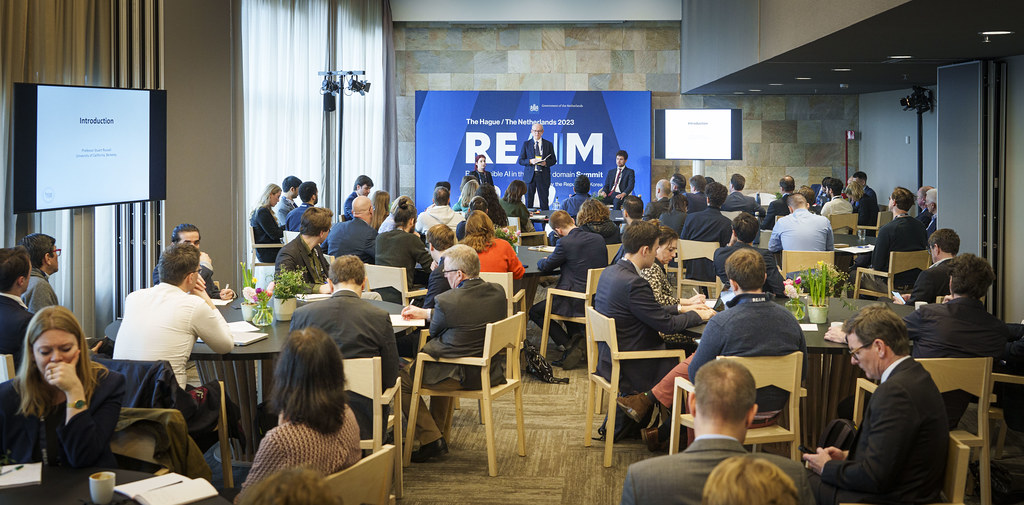
AI self-regulation is a hot topic as Bill Gates highlights its inadequacies. He is calling on Congress to implement more effective measures to ensure responsible AI development.
The Importance of AI Regulation
The rapid advancement of artificial intelligence (AI) technology has sparked a crucial debate about the need for effective regulation. As AI systems become more integrated into daily life, ensuring their ethical use and minimizing potential risks is paramount. Bill Gates has recently highlighted the limitations of AI self-regulation, emphasizing that it is insufficient to address the complexities and challenges posed by these technologies.
One of the primary concerns is the potential for bias in AI algorithms, which can lead to unfair treatment of individuals based on race, gender, or socioeconomic status. Without proper oversight, these biases can perpetuate existing inequalities and create new forms of discrimination.
Another significant risk involves the security of AI systems. As they become more autonomous, the potential for misuse increases, whether through cyberattacks or malicious applications. Gates argues that Congress must step in to establish a regulatory framework that ensures accountability and safety in AI development.
Furthermore, the lack of transparency in AI decision-making processes raises ethical questions. Users often cannot understand how decisions are made, leading to a lack of trust in AI systems. To foster public confidence, it is essential to implement regulations that promote transparency and explainability.
In conclusion, while self-regulation may seem appealing, it falls short of addressing the myriad risks associated with AI. Comprehensive regulation is necessary to safeguard society and harness the full potential of this transformative technology.
Bill Gates’ Perspective on AI
Bill Gates, the co-founder of Microsoft, has expressed strong concerns regarding the concept of AI self-regulation. In a recent statement, he emphasized that relying solely on the industry to regulate itself is inadequate and potentially dangerous. Gates argues that without a robust framework established by lawmakers, the rapid development of artificial intelligence could lead to unforeseen consequences.
He outlined several key reasons why he believes government intervention is necessary:
- Accountability: Gates highlighted that self-regulation often lacks accountability, as companies may prioritize profits over ethical considerations.
- Uniform Standards: The technology sector is notorious for its disparities in regulatory practices, which can lead to a patchwork of regulations that fail to protect consumers adequately.
- Public Safety: As AI technologies are integrated into critical sectors such as healthcare and transportation, the potential risks become more pronounced. Gates insists that legislative oversight is essential to ensure public safety.
Moreover, Gates urged Congress to take action swiftly, warning that delays in establishing regulations could exacerbate existing risks associated with AI. He believes that a collaborative approach between tech companies and government bodies is crucial for developing effective regulations that balance innovation with public safety. Gates’ call for proactive measures reflects a growing consensus that AI self-regulation alone is insufficient in managing the complexities and challenges posed by this rapidly evolving technology.
Current State of AI Self-Regulation
The current state of AI self-regulation raises significant concerns among experts and policymakers alike. While the tech industry has made strides in developing ethical guidelines and best practices, many argue that these voluntary measures fall short of ensuring safety and accountability.
Proponents of AI self-regulation claim that it allows companies to innovate without excessive governmental interference. However, critics highlight several inherent risks:
- Lack of Accountability: Companies may prioritize profit over ethical considerations, leading to harmful consequences.
- Inconsistent Standards: Without a unified framework, different organizations may adopt varying practices, complicating compliance and oversight.
- Insufficient Transparency: Self-regulated AI systems often lack the necessary transparency, making it difficult for stakeholders to assess their impact.
- Delayed Action: Relying on self-regulation can result in a slow response to emerging threats, leaving society vulnerable to potential misuse of AI technologies.
Bill Gates has voiced his concerns regarding this approach, emphasizing that AI self-regulation cannot substitute for comprehensive legislative action. He urges Congress to implement robust regulations that ensure the responsible development and deployment of AI technologies. As the landscape continues to evolve, the call for a balanced approach to regulation becomes increasingly urgent.
Potential Risks of Lack of Oversight
The conversation surrounding AI self-regulation has brought to light several potential risks associated with a lack of oversight in the development and deployment of artificial intelligence technologies. Without a structured regulatory framework, the unchecked growth of AI could lead to significant and unforeseen consequences.
One of the most pressing concerns is the possibility of biased algorithms. When AI systems are developed without proper oversight, they may unintentionally perpetuate existing social inequalities, leading to discrimination in critical areas such as hiring, law enforcement, and lending.
Additionally, the absence of comprehensive regulations can result in a lack of accountability. Companies may prioritize profit over ethical considerations, potentially allowing harmful applications of AI to proliferate unchecked. This raises serious questions about the moral responsibilities of developers and organizations.
- Security Risks: Unregulated AI systems may be more susceptible to hacking and misuse, posing threats to privacy and national security.
- Loss of Jobs: The rapid deployment of AI without oversight can lead to job displacement in various sectors, creating economic instability.
- Public Trust: A lack of transparency in AI development can erode public trust, making it difficult for society to embrace technological advances.
Ultimately, the absence of regulatory measures raises questions about the long-term viability of AI self-regulation and emphasizes the need for comprehensive oversight to mitigate these risks.
Steps Congress Could Take
In light of the ongoing debate surrounding AI self-regulation, Congress has several critical steps it could take to ensure the responsible development and deployment of artificial intelligence technologies. These actions could help mitigate the risks associated with insufficient oversight.
- Establish a Federal AI Regulatory Body: Congress could create an independent agency tasked with overseeing AI development. This body would set standards and guidelines, ensuring that companies adhere to ethical practices in AI algorithms.
- Implement Mandatory Reporting Requirements: Firms developing AI technologies could be required to report their practices and outcomes regularly. This transparency would allow for better monitoring and evaluation of the risks posed by AI systems.
- Encourage Public Engagement and Feedback: Holding public forums and consultations could help gather input from various stakeholders, including experts, consumers, and civil society. This collaborative approach could shape effective regulations that reflect the needs and concerns of the public.
- Promote International Collaboration: AI development is a global issue. Congress could work with international partners to create a cohesive framework for AI regulation, ensuring that standards are consistent across borders.
- Support Research on AI Ethics: Funding research initiatives focused on understanding the ethical implications of AI technologies could provide valuable insights for policymakers, guiding the creation of robust regulations.
By taking these steps, Congress could address the complexities of AI self-regulation, significantly reducing the associated risks.
By Ministerie van Buitenlandse Zaken via Openverse
Sources
Related stories
AI Czar appointment: Trump’s Smart Move for Tech Regulation · Is Buffy the Vampire Slayer’s Premiere the Worst Ever? · GTA 6 Collector’s Edition: Best 3D Printing Ideas Revealed