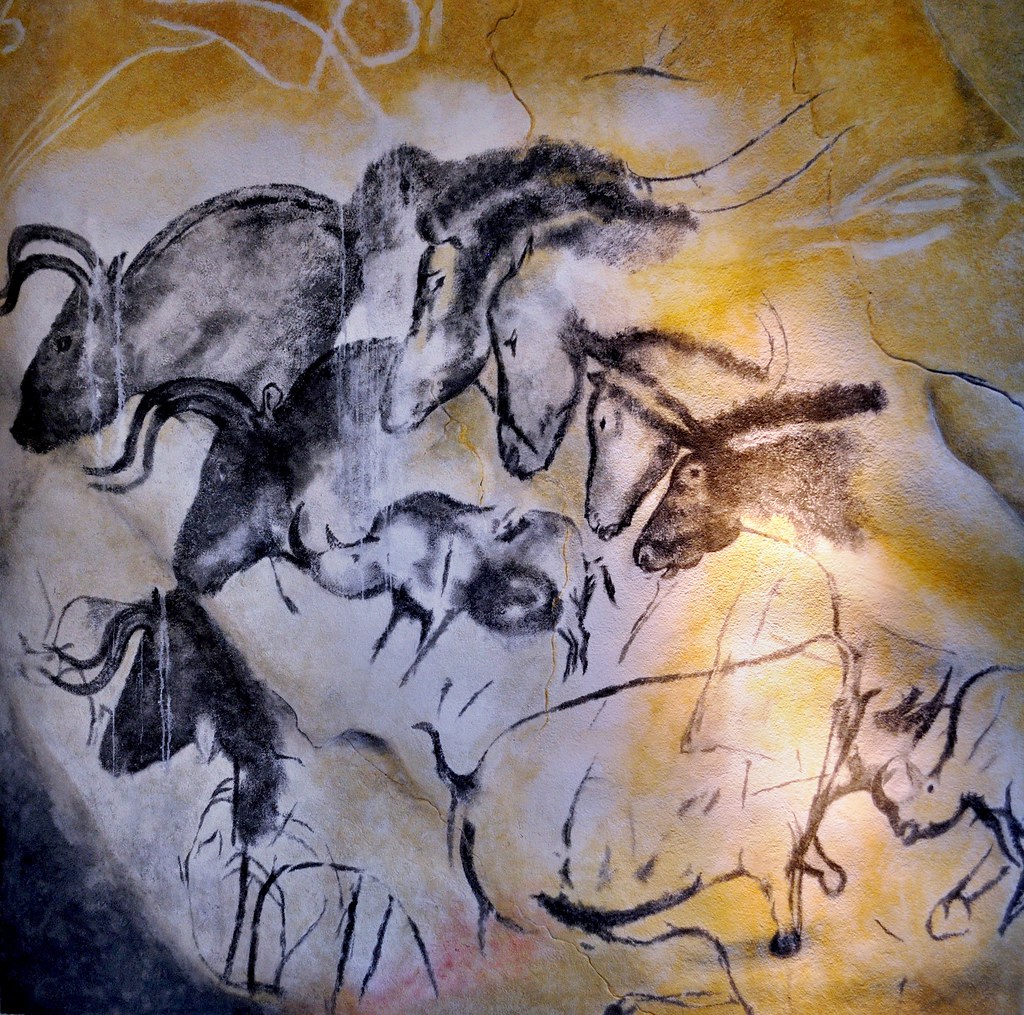
Chauvet Cave art may be safeguarded by a natural varnish, as recent UV scans reveal its protective qualities. This discovery is crucial for preserving the stunning prehistoric artwork.
Understanding Chauvet Cave Art
The Chauvet Cave art, discovered in 1994 in France, is renowned for its stunningly preserved prehistoric paintings, some dating back to around 37,000 years ago. These ancient works provide a glimpse into the lives and beliefs of early humans, showcasing a variety of animals and symbols that reveal their connection to the world around them.
Recent studies have highlighted the role of natural varnish in protecting these invaluable artworks. This varnish, formed by the interaction of minerals and microorganisms, acts as a shield against environmental factors that could lead to deterioration.
Researchers utilized UV scans to identify and analyze the varnish, uncovering its protective properties. The findings suggest that this natural coating has played a crucial role in preserving the vibrant colors and intricate details of the Chauvet Cave art over millennia.
In summary, the combination of artistry and nature’s protective mechanisms offers insights not only into the past but also into how we might preserve such treasures for future generations.
The Role of Natural Varnish
The preservation of Chauvet Cave art, dating back approximately 37,000 years, has garnered significant attention from researchers. One of the key factors in safeguarding these ancient treasures is the presence of natural varnish. This protective layer plays a crucial role in shielding the artwork from environmental factors and deterioration.
Recent studies utilizing UV scans have revealed the effectiveness of this varnish in preventing damage from UV radiation, which can be particularly harmful to ancient pigments. The varnish acts as a barrier, reducing the impact of light exposure and helping to maintain the vibrancy of the artwork over millennia.
Experts have identified several benefits of natural varnish in relation to the preservation of Chauvet Cave art:
- Protection against UV damage: The varnish absorbs harmful rays, preserving color integrity.
- Moisture resistance: It helps prevent water penetration that could lead to deterioration.
- Stability against temperature fluctuations: The varnish contributes to a more stable microenvironment.
Understanding the role of natural varnish is vital for ongoing conservation efforts.
Significance of UV Scans
The significance of UV scans in the study of Chauvet Cave art cannot be overstated. These advanced imaging techniques have revealed crucial insights into the preservation of this ancient artwork, believed to be over 37,000 years old. By analyzing the natural varnish that coats the cave paintings, researchers are uncovering how it plays a vital role in safeguarding these invaluable treasures from environmental damage.
UV scans allow scientists to detect subtle changes in the varnish layer, which may act as a protective barrier against harmful elements such as moisture and light. This natural defense mechanism not only protects the artwork but also aids in the understanding of the materials and methods used by early humans.
Key findings from these scans include:
- Enhanced Preservation: The presence of natural varnish significantly slows down degradation.
- Color Retention: UV scans show that the varnish helps maintain the vibrancy of the pigments.
- Historical Insight: The study of varnish composition provides clues about the cultural practices of early artists.
Preservation Techniques in Archaeology
Preserving ancient artworks is a critical aspect of archaeology, especially in the case of the renowned Chauvet Cave art, which dates back approximately 37,000 years. Various techniques have been developed over the years to ensure these treasures withstand the test of time.
One effective method involves the application of natural varnish, which serves as a protective layer against environmental factors. This varnish, formed by mineral deposits and organic material, not only enhances the visual quality of the artwork but also shields it from deterioration.
In addition to natural varnish, UV scanning technology plays a pivotal role in preservation efforts. By analyzing the cave’s artworks without direct contact, researchers can identify areas that require immediate attention. The combination of these preservation techniques ensures that the integrity of the Chauvet Cave art remains intact for future generations to appreciate.
As the field of archaeology continues to evolve, innovative methods will likely emerge, contributing to the ongoing effort to protect and study these invaluable cultural artifacts.
Ancient Art and Modern Science
The discovery of natural varnish in the Chauvet Cave art has opened new avenues for understanding ancient artistic techniques and their preservation. This remarkable finding highlights the intersection of ancient art and modern science, demonstrating how contemporary technology can aid in conserving priceless cultural heritage.
Researchers have utilized advanced UV scans to analyze the effects of this varnish on the paintings, revealing its protective qualities against environmental damage. The varnish, composed of organic compounds, acts as a shield for the vibrant colors and intricate details of the artwork, which dates back approximately 37,000 years.
Through these scientific advancements, archaeologists and conservators can better assess the condition of the Chauvet Cave art and implement effective preservation strategies. The integration of natural and scientific methods not only enhances our understanding of the techniques used by prehistoric artists but also ensures that these ancient treasures can be appreciated by future generations.
As the exploration of Chauvet Cave continues, it becomes increasingly clear that the fusion of art and science is vital for safeguarding our shared history.
Challenges in Art Conservation
The preservation of Chauvet Cave art faces numerous challenges that threaten its longevity and integrity. These challenges arise from both environmental factors and human interventions, which can significantly impact the delicate artworks preserved within the cave.
One of the primary concerns is the natural deterioration of the cave’s microclimate. Fluctuations in temperature and humidity can lead to the growth of mold and other microorganisms that may adversely affect the paintings. Additionally, the cave’s limited air circulation can intensify these issues, creating an environment that is less than ideal for the ancient art.
Human activities pose another significant threat. Tourists and researchers visiting the site can unintentionally introduce pollutants or disrupt the delicate balance necessary for preservation. To mitigate these risks, strict regulations and careful management are essential.
Lastly, while natural varnish offers a promising solution, ongoing research is vital to understand its full protective capabilities. Only through continued study can we ensure that the stunning Chauvet Cave art remains a testament to our prehistoric ancestors for future generations.
Future of Chauvet Cave Preservation
The future of Chauvet Cave preservation looks promising, thanks to recent discoveries regarding the natural varnish that coats the ancient artwork. This varnish, which has been shown to protect the stunning Chauvet Cave art from environmental damage, offers a unique solution for ongoing conservation efforts.
Researchers are now focusing on how to enhance and support the natural protective qualities of this varnish. By employing advanced techniques, such as UV scans, experts can monitor the health of the artwork and assess the effectiveness of the varnish over time. This proactive approach not only safeguards the ancient treasures but also helps in understanding the cave’s complex ecosystem.
Additionally, collaboration between scientists, archaeologists, and conservationists will be crucial in developing sustainable preservation strategies. Engaging local communities in these efforts will further enrich the knowledge about Chauvet Cave art and its significance in human history while ensuring that future generations can appreciate these remarkable cultural artifacts.
Impact on Cultural Heritage
The preservation of Chauvet Cave art is crucial not only for understanding our ancestors but also for maintaining cultural heritage. The findings regarding natural varnish reveal significant implications for the longevity of these ancient treasures. Experts emphasize that protecting such sites is essential for future generations to appreciate and study these remarkable artworks.
Preserving the Chauvet Cave art involves a multifaceted approach, which includes:
- Ongoing Research: Continuous studies are needed to understand the degradation processes affecting cave art.
- Community Engagement: Involving local communities in preservation efforts fosters a sense of ownership and responsibility.
- Policy Development: Implementing protective regulations can help safeguard these sites from environmental and human threats.
As the Chauvet Cave art continues to be a focus of scientific inquiry, the successful application of natural varnish as a protective measure exemplifies the intersection of ancient artistry and cutting-edge research. This ongoing commitment to preservation ensures that these invaluable cultural artifacts remain intact for future study and appreciation.
By The Adventurous Eye via Openverse