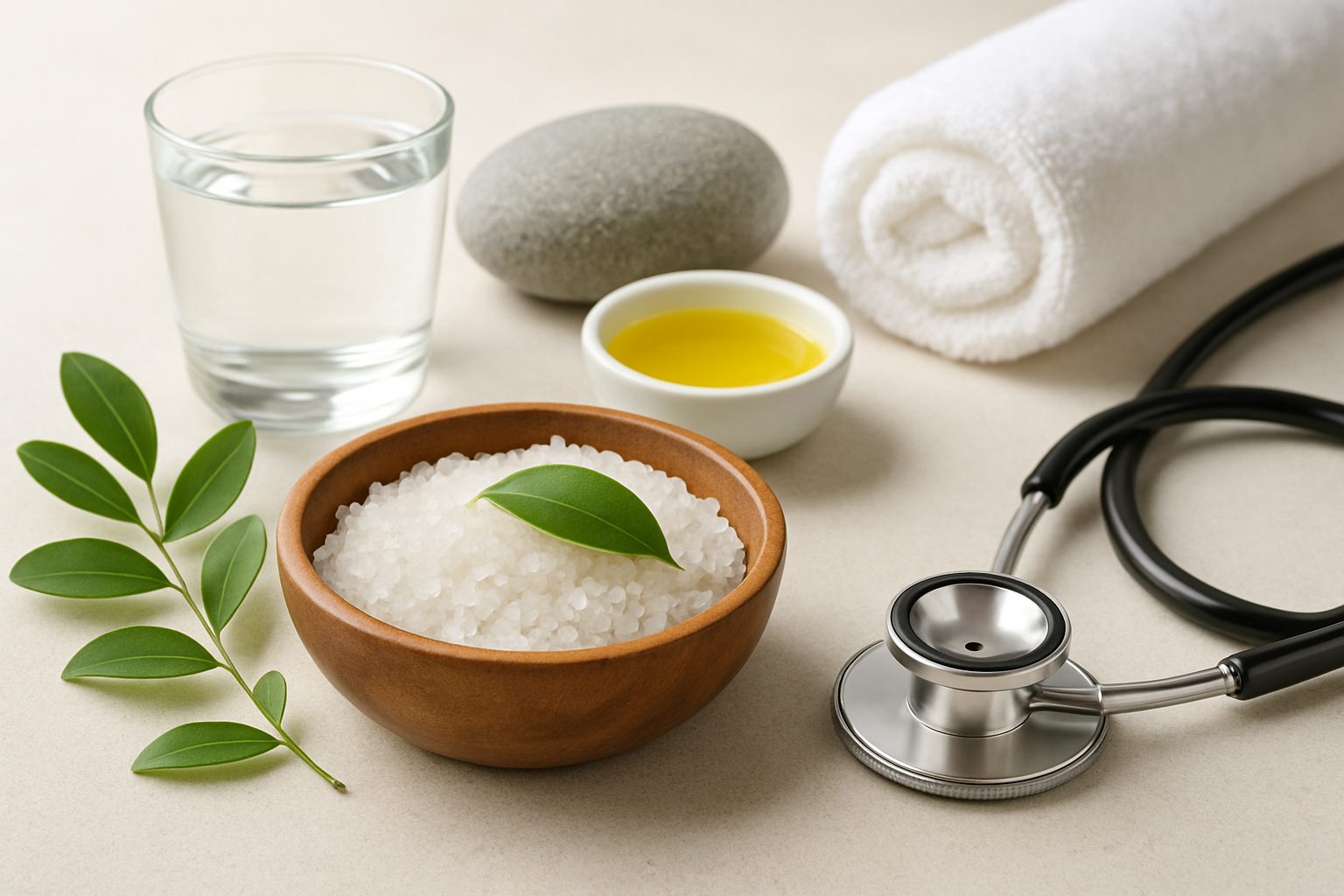
Healing today often involves more than treating physical symptoms. Many individuals seek methods that address emotional, mental, and spiritual well-being alongside conventional care. In this evolving landscape, Dr Lynn Puana has gained attention for blending scientific understanding with holistic wellness practices. This balanced approach reflects the growing interest in personalized care that respects both evidence-based methods and traditional healing philosophies. Studies from global wellness organizations suggest that people increasingly value integrated health strategies because they often encourage long-term lifestyle improvements instead of temporary symptom management.
Why are integrated healing methods becoming more popular? Research indicates that chronic stress, lifestyle-related illnesses, and emotional burnout continue to affect millions of adults worldwide. Holistic approaches aim to complement modern healthcare by promoting healthy habits, mindfulness, balanced nutrition, and emotional resilience. Rather than focusing on a single aspect of wellness, these methods encourage individuals to understand how different parts of their lives influence overall health.
What role does science play in holistic recovery? Scientific principles help practitioners evaluate health patterns, understand biological processes, and encourage informed decision-making. Evidence-based knowledge can be combined with wellness practices such as stress reduction techniques, breathing exercises, and lifestyle coaching. This creates a framework where measurable health improvements can work alongside personal well-being goals.
How does traditional wisdom contribute to healing? Many traditional practices emphasize prevention, balance, and harmony between body and mind. Techniques developed across generations often encourage healthier daily routines, improved sleep, mindful eating, and emotional awareness. While modern science continues to study many of these methods, individuals frequently appreciate their practical focus on sustainable wellness.
Can personalized care improve health outcomes? Every person has unique physical conditions, emotional experiences, and lifestyle challenges. Personalized wellness plans recognize these differences by encouraging realistic goals, gradual improvements, and continuous progress monitoring. This patient-centered perspective often increases motivation and long-term commitment to healthier habits.
What statistics support integrated wellness? Reports from international healthcare organizations show increasing public interest in complementary wellness programs. Surveys indicate that many adults participate in mindfulness activities, nutritional counseling, stress management, or holistic wellness services alongside conventional medical care. These trends reflect growing awareness that preventive health measures may contribute to improved quality of life.
Why is education important in holistic health? Individuals who understand their bodies are often better equipped to make informed lifestyle choices. Educational guidance encourages healthier routines, realistic expectations, and greater confidence when managing personal wellness. Knowledge empowers people Dr Lynn Puana to become active participants in their own recovery journey rather than relying solely on reactive healthcare solutions.
The future of healthcare is increasingly focused on collaboration between scientific research and whole-person wellness. As interest in integrated care continues to grow, Dr Lynn Puana represents an approach that values knowledge, compassion, and respect for both modern science and traditional healing principles. By encouraging balanced lifestyles, informed decision-making, and personalized wellness strategies, integrated healing continues to inspire individuals seeking sustainable improvements in overall health and long-term well-being.