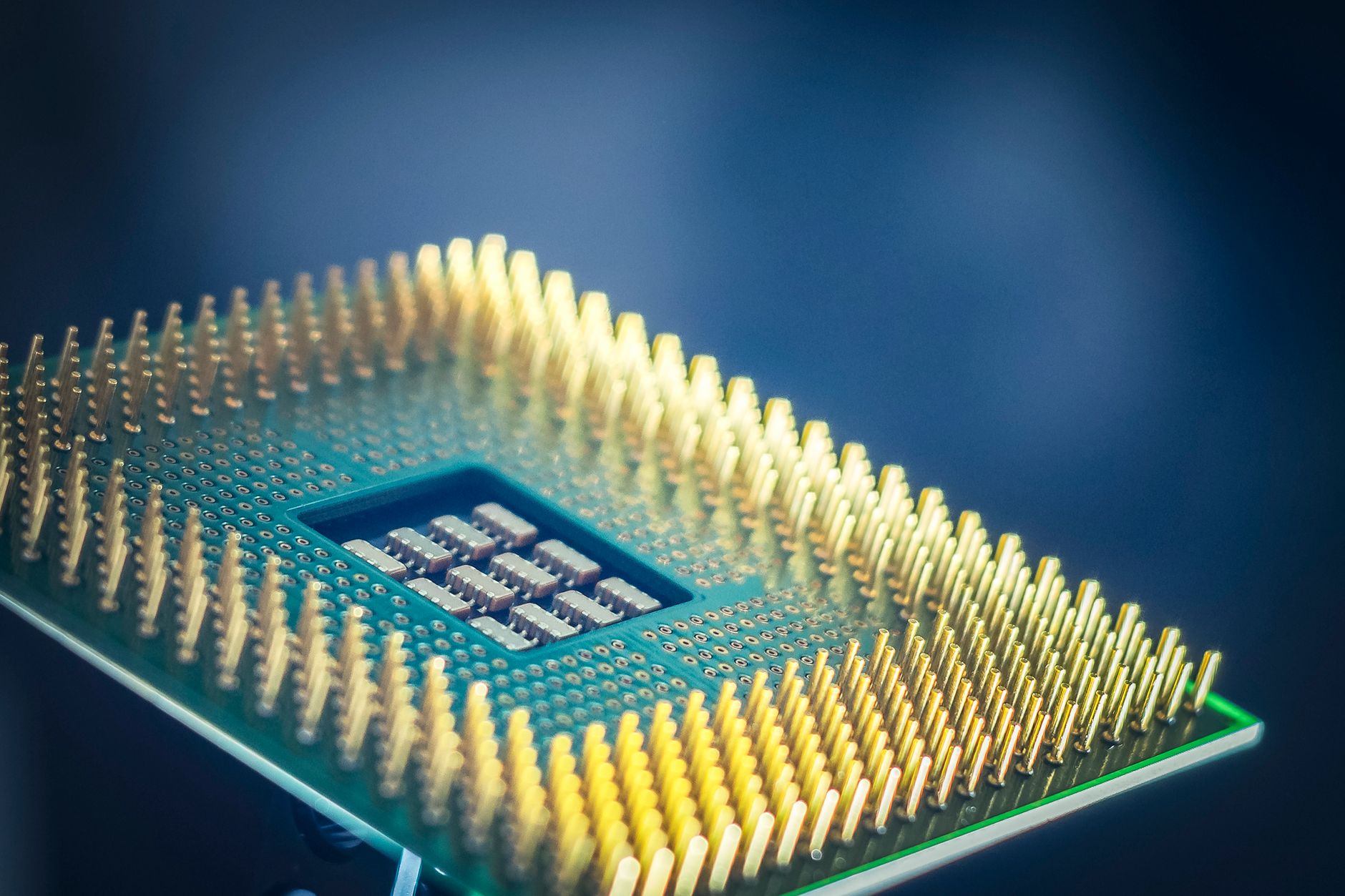
AI chip debt push is at the forefront of technological advancement, led by Broadcom’s ambitious $50 billion initiative. This move is set to transform the AI landscape.
Understanding the AI chip debt push
The rapid advancement of artificial intelligence (AI) technologies has led to a significant surge in demand for high-performance chips. This phenomenon has prompted major players in the semiconductor industry to engage in an AI chip debt push, seeking substantial funding to bolster their production capabilities.
Broadcom, a leader in the industry, is at the forefront of this movement, spearheading a $50 billion initiative aimed at enhancing AI chip manufacturing. As companies invest heavily to keep pace with the growing requirements of AI applications, the focus on securing financing has never been more critical.
Understanding the implications of this debt push is essential for stakeholders across the board. Key factors to consider include:
- Market Demand: The increasing reliance on AI solutions across various sectors is driving unprecedented growth.
- Technological Advancements: Innovations in chip design are essential for meeting performance expectations.
- Financial Strategies: Companies must navigate the complexities of debt to fund their ambitions without jeopardizing long-term stability.
In this dynamic landscape, the AI chip debt push represents both a challenge and an opportunity for industry leaders.
Broadcom’s $50 billion investment strategy
Broadcom has recently unveiled an ambitious $50 billion investment strategy aimed at solidifying its position within the rapidly growing AI chip market. This substantial financial commitment underscores the company’s recognition of the critical role that AI chips play in modern technology advancements.
The investment strategy encompasses various components that are crucial for maximizing the potential of AI technology. Key facets include:
- Research and Development: Broadcom plans to allocate a significant portion of the funds to R&D, focusing on innovative chip designs that enhance AI processing capabilities.
- Strategic Partnerships: Collaborating with leading tech companies and research institutions to leverage expertise and share resources effectively.
- Acquisitions: Targeting potential acquisitions of smaller firms specializing in AI chip technology to accelerate growth and integration.
This comprehensive approach not only highlights Broadcom’s commitment to the AI chip debt push but also positions the company to capitalize on the increasing demand for advanced AI solutions across various industries. As the market evolves, such strategic investments will be pivotal in determining long-term success in the competitive AI landscape.
The impact of AI chip debt on the market
The market is experiencing significant shifts due to the AI chip debt push, with various companies reassessing their financial strategies. The influx of capital aimed at developing advanced artificial intelligence technologies has led to both opportunities and challenges for market players.
Investors are closely monitoring how this debt acquisition affects company valuations and overall market stability. As firms like Broadcom take on substantial debt to fund their initiatives, the implications for stock performance are becoming increasingly apparent.
- Increased competition: The race to innovate in AI chips is intensifying, prompting companies to secure funding aggressively.
- Debt management concerns: Firms must balance the benefits of investment against the risks associated with high levels of debt.
- Market volatility: As companies navigate these changes, fluctuations in stock prices are likely, impacting investor confidence.
Ultimately, the AI chip debt push is reshaping the financial landscape, compelling companies to adopt more robust risk management and investment strategies to thrive in this dynamic environment.
Future trends in AI and semiconductor technology
As the demand for artificial intelligence continues to surge, the future of AI and semiconductor technology is poised for remarkable transformation. The ongoing AI chip debt push has catalyzed innovation, prompting companies to explore new avenues to optimize performance and efficiency.
Several trends are emerging in this dynamic landscape:
- Increased Collaboration: Partnerships between semiconductor firms and AI developers are becoming more common, fostering a collaborative environment that accelerates advancement.
- Advanced Manufacturing Techniques: Techniques such as 3D chip stacking and new materials are being explored to enhance processing power while managing costs effectively.
- Focus on Energy Efficiency: As AI workloads grow, the need for energy-efficient chips is critical. Innovations in power management will play a significant role in the design of future AI chips.
- Regulatory Considerations: With the rise of AI technologies, regulatory frameworks will likely evolve, impacting how companies approach development and investment in semiconductor technologies.
In summary, the AI chip debt push is not merely a challenge but a compelling opportunity that could redefine the boundaries of technology and its applications in everyday life.
Photo by Jimmy Chan on Pexels
References
Related reading
Pixel battery drain update: Quick fix for common issue · Taiwan Semiconductor revenue: Best Q3 Results with Proven Growth · AI Trade Regulation: Proven Platform Besso Raises €4.29M