Taiwan Semiconductor revenue has reached new heights as the company posts record Q3 results. The announcement of a $2 billion supply deal further emphasizes its strong market position.
Overview of Q3 Financial Results
Taiwan Semiconductor Manufacturing Company (TSMC) has reported its best third-quarter results to date, highlighting a significant growth trajectory in its financial performance. The company’s revenue for Q3 has reached unprecedented levels, reinforcing its position as a leader in the semiconductor industry.
In this quarter, TSMC’s revenue climbed to a record-breaking amount, driven by strong demand for advanced chips across various sectors, including automotive, consumer electronics, and high-performance computing. The robust financial results are indicative of the company’s strategic investments and its ability to adapt to market trends.
Key highlights from TSMC’s Q3 financial results include:
- Record Revenue: TSMC reported a revenue increase of over 20% compared to the previous quarter.
- Net Income Growth: The company experienced a substantial rise in net income, reflecting efficient operational management.
- Strong Demand: Enhanced demand for 5G and AI-related technologies contributed significantly to revenue growth.
- Future Projections: The company has provided optimistic forecasts for the upcoming quarters, anticipating continued growth.
Additionally, TSMC announced a $2 billion supply deal that aims to further bolster its market position and expand its production capabilities. With these impressive Q3 results, TSMC’s revenue demonstrates its commitment to innovation and its resilience in a competitive landscape.
Impact of the $2 Billion Supply Deal
The recent announcement of a $2 billion supply deal has significant implications for Taiwan Semiconductor’s revenue trajectory. This strategic partnership is expected to bolster the company’s already impressive financial performance, particularly in light of its record Q3 results. Analysts predict that the deal will not only enhance production capabilities but also enable Taiwan Semiconductor to meet the growing demand for advanced semiconductor technologies.
Furthermore, this supply agreement is designed to solidify Taiwan Semiconductor’s position as a leading player in the global market. By collaborating with key partners, the company aims to leverage its state-of-the-art manufacturing processes, which have been instrumental in achieving such remarkable Q3 revenue figures.
The impact of this deal can be seen in several areas:
- Increased Production Capacity: The financial infusion will allow for the expansion of facilities and technology upgrades.
- Market Competitiveness: Enhanced capabilities will enable Taiwan Semiconductor to respond swiftly to market demands, maintaining its competitive edge.
- Long-term Revenue Growth: With a commitment to innovation and quality, the company is well-positioned for sustained revenue increases in the coming quarters.
As the semiconductor industry continues to evolve, Taiwan Semiconductor’s strategic moves, including this significant supply deal, are crucial for maintaining robust revenue growth and fulfilling its commitments to stakeholders.
Market Reaction to TSM’s Earnings
The release of Taiwan Semiconductor’s latest earnings report has sparked significant interest in the financial market. Investors reacted positively to the announcement of the company’s record Q3 revenue, which not only exceeded analysts’ expectations but also showcased a robust growth trajectory in a challenging environment.
Following the earnings report, TSM’s stock experienced a notable uptick. This surge reflects the market’s confidence in the company’s strategic initiatives and its ability to navigate supply chain complexities. Analysts have pointed out that the Taiwan Semiconductor revenue for the quarter highlights the company’s resilience and adaptability, especially in light of fluctuating global demand for semiconductors.
Market analysts are particularly optimistic about TSM’s future performance, given the implications of its $2 billion supply deal. They believe this agreement will bolster TSM’s production capabilities and enhance its competitive edge. Furthermore, several financial experts have issued upgraded ratings and price targets for the stock, reinforcing the bullish sentiment surrounding Taiwan Semiconductor.
In addition to the immediate market reaction, investor sentiment appears to be driven by the broader trends in the semiconductor industry, which is expected to continue its growth trajectory. As technology continues to evolve and demand for advanced chips rises, TSM is well-positioned to capitalize on these opportunities, ensuring sustained revenue growth in the quarters to come.
Future Projections for Taiwan Semiconductor
As Taiwan Semiconductor continues to display robust performance, analysts are optimistic about the company’s future projections. Following their record Q3 revenue, the outlook for the upcoming quarters appears promising, driven by several key factors.
First and foremost, the demand for semiconductors remains strong across various sectors, including automotive, consumer electronics, and artificial intelligence. This sustained demand is expected to bolster Taiwan Semiconductor’s revenue growth further as industries increasingly rely on advanced technologies.
Additionally, the company’s strategic investments in research and development are likely to yield innovative products and technologies that will enhance its market position. Analysts believe that these advancements can lead to increased market share and improved profit margins.
Moreover, Taiwan Semiconductor’s recent $2 billion supply deal is anticipated to strengthen its partnerships with major technology firms, ensuring a steady stream of orders. This collaboration not only reinforces the company’s revenue base but also positions it as a leader in the semiconductor industry.
In summary, the future projections for Taiwan Semiconductor are set against a backdrop of strong demand and strategic initiatives. As the company continues to capitalize on these opportunities, its revenue trajectory is expected to remain upward, solidifying its status in the competitive semiconductor market.
Analysis of Semiconductor Industry Trends
The semiconductor industry continues to evolve rapidly, influenced by various factors that shape its landscape. Taiwan Semiconductor revenue reflects this dynamic environment, highlighting the company’s ability to adapt to changing market demands.
One notable trend is the increasing reliance on advanced technologies, such as artificial intelligence (AI) and 5G. These technologies are driving the demand for more sophisticated semiconductors, which has prompted companies like TSM to invest heavily in research and development. As a result, the industry is witnessing a shift towards higher value products that can command better profit margins.
Moreover, geopolitical tensions and trade policies play a significant role in shaping the semiconductor supply chain. The ongoing competition between major economies, particularly the United States and China, has led to increased scrutiny and regulatory challenges. In response, Taiwan Semiconductor has strategically positioned itself to mitigate risks and seize opportunities in the global market.
Another important aspect is the growing emphasis on sustainability and environmental responsibility. Semiconductor manufacturers are increasingly focusing on reducing their carbon footprints and adopting greener practices. This trend not only meets consumer demand but also aligns with global initiatives for sustainable development.
In summary, the semiconductor industry is at a pivotal point, with Taiwan Semiconductor revenue serving as a testament to the resilience and adaptability of leading firms in the face of evolving challenges and opportunities.
Comparative Performance with Competitors
Taiwan Semiconductor’s revenue for the third quarter has set a new benchmark in the semiconductor industry, showcasing a remarkable performance compared to its competitors. While TSM reported a record revenue, other major players in the market struggled to keep pace.
In contrast, companies such as Intel and Samsung have faced various challenges that hampered their growth during the same period. The following points summarize the comparative performance:
- Taiwan Semiconductor: Achieved a record revenue of $20 billion, driven by strong demand for chips used in artificial intelligence and high-performance computing.
- Intel: Reported a decline in revenue, citing supply chain disruptions and increased competition as primary factors.
- Samsung: Experienced stagnation in its semiconductor division, largely due to falling memory chip prices and reduced demand from mobile manufacturers.
The competitive landscape highlights how Taiwan Semiconductor’s revenue has not only outperformed its rivals but also solidified its position as a leader in the semiconductor market. This growth is underscored by TSM’s strategic initiatives, such as the recent $2 billion supply deal, which further enhances its operational capabilities.
As the industry continues to evolve, TSM’s ability to maintain this momentum will be pivotal in navigating the challenges ahead.
Taiwan Semiconductor revenue has shown remarkable resilience, contributing significantly to the company’s best Q3 results. Analysts attribute this success to strategic investments and increasing demand for advanced technology solutions, further solidifying Taiwan Semiconductor revenue as a key player in the global market.
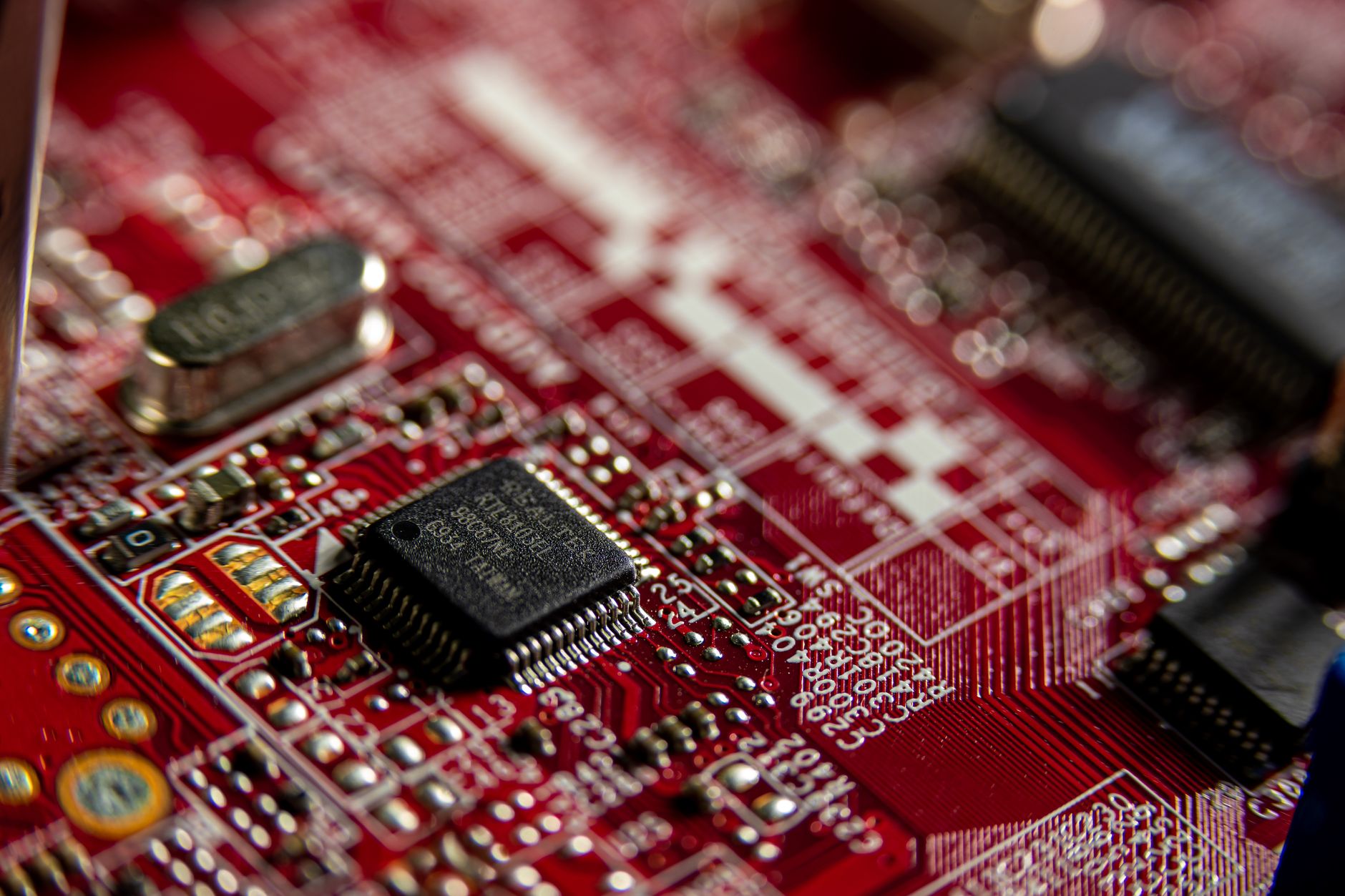
Photo by Sergei Starostin on Pexels