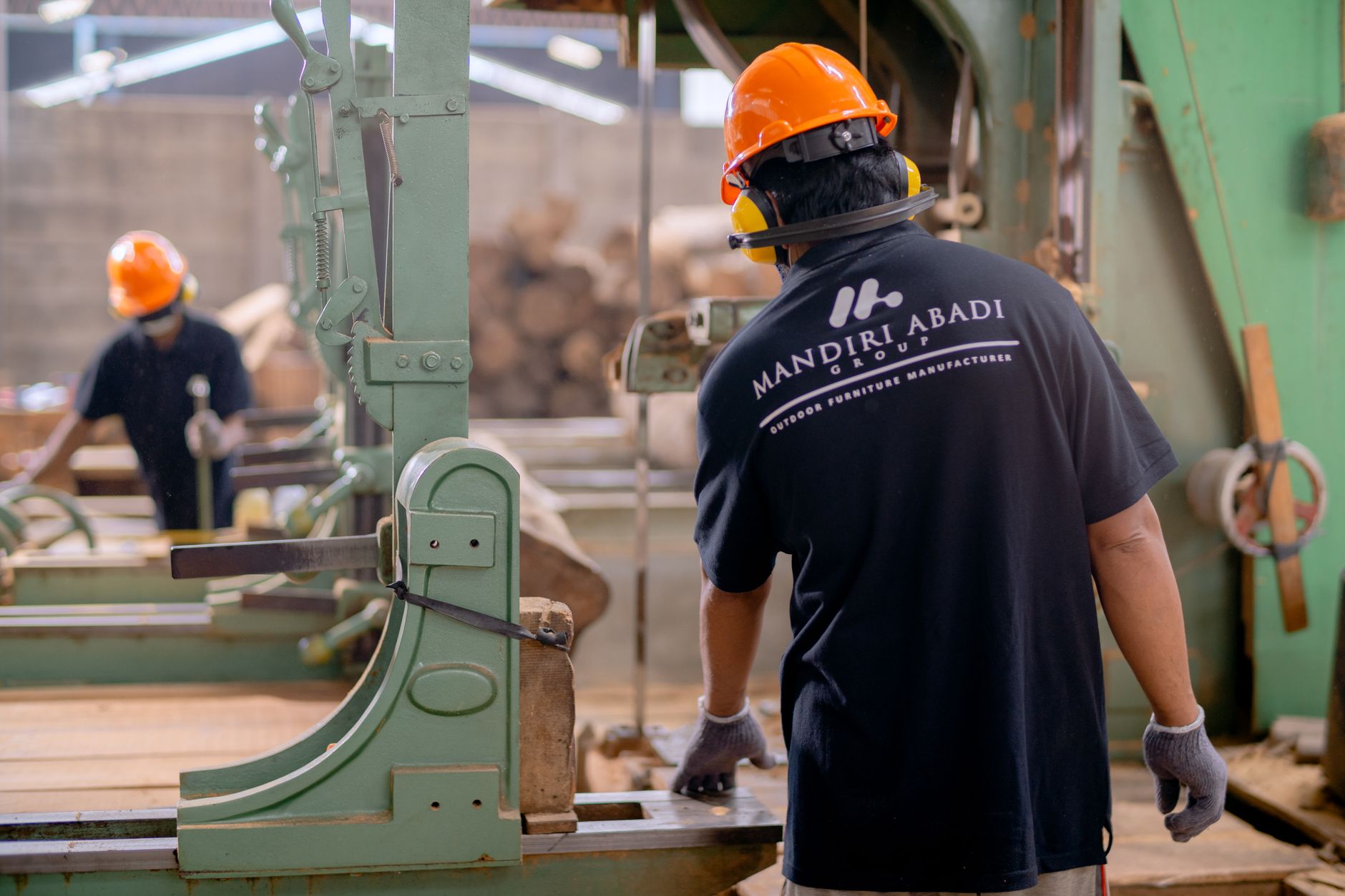
Claude for Manufacturing is set to change the landscape of production processes. Anthropic’s latest AI model aims to enhance efficiency and reduce costs across various manufacturing sectors.
Introduction to Claude for Manufacturing
In the rapidly evolving landscape of industrial technology, Claude for Manufacturing emerges as a groundbreaking AI model developed by Anthropic. Designed specifically to address the complexities of the manufacturing sector, Claude aims to enhance operational efficiencies and reduce costs by leveraging advanced artificial intelligence capabilities.
This innovative model is tailored to streamline processes, improve decision-making, and provide real-time insights, empowering manufacturers to adapt swiftly to changing market demands. By integrating Claude into their workflows, companies can expect significant improvements in productivity and quality control.
Key features of Claude for Manufacturing include:
- Predictive analytics: Anticipates equipment failures and maintenance needs, minimizing downtime.
- Supply chain optimization: Enhances inventory management and logistics through data-driven insights.
- Quality assurance: Monitors production lines to ensure product consistency and compliance with industry standards.
As manufacturers seek to remain competitive in a global market, the implementation of AI-driven solutions like Claude represents a crucial step toward embracing the future of industry. With its proven capabilities, Claude is set to revolutionize the way manufacturing operations are conducted.
How Claude Enhances Production Efficiency
In the fast-paced world of manufacturing, efficiency is paramount, and Claude for Manufacturing is changing the game. By leveraging advanced AI capabilities, Claude enables companies to optimize production processes, reduce waste, and streamline operations.
One of the key features of Claude is its ability to analyze vast amounts of production data in real-time. This analysis helps identify bottlenecks and inefficiencies that human operators might overlook. As a result, manufacturers can make informed decisions quickly, preventing costly downtime.
Moreover, Claude enhances predictive maintenance strategies. By monitoring equipment performance and predicting potential failures before they occur, it minimizes unexpected breakdowns, ensuring smoother workflows.
Additionally, Claude supports workforce management by analyzing employee productivity and suggesting improvements. This fosters a more efficient working environment and boosts overall morale.
As companies look to the future, integrating Claude for Manufacturing not only improves efficiency but also positions them as leaders in the competitive manufacturing landscape. By adopting this cutting-edge AI model, businesses are better prepared to meet the demands of modern industry.
- Real-time data analysis
- Predictive maintenance
- Workforce management
Key Features of Claude AI Model
The Claude AI model introduces several key features that are transforming the manufacturing landscape. These features are designed to enhance operational efficiency and improve decision-making processes across various industries.
- Predictive Analytics: Claude utilizes advanced predictive analytics to forecast production trends and identify potential issues before they arise. This capability allows manufacturers to optimize their supply chains and reduce downtime.
- Real-Time Data Processing: The model can process vast amounts of data in real time, enabling manufacturers to make informed decisions quickly. This feature is crucial for adapting to market changes and adjusting production schedules efficiently.
- Automated Quality Control: Claude incorporates machine learning algorithms to monitor product quality continuously. This ensures that products meet high standards, minimizing defects and maximizing customer satisfaction.
- Customization Options: The AI model offers customizable solutions tailored to specific manufacturing needs. This flexibility allows businesses to integrate Claude into their existing systems seamlessly.
With these features, Claude for Manufacturing is proving to be a game-changer, helping companies navigate the complexities of modern production environments while driving innovation and competitiveness.
Impact of AI on the Manufacturing Sector
The impact of AI on the manufacturing sector has been profound, with companies increasingly adopting advanced technologies to streamline operations and improve productivity. Claude for Manufacturing stands out as a pivotal innovation in this landscape, offering tailored solutions that address the unique challenges faced by manufacturers.
One of the primary benefits of integrating Claude for Manufacturing is its ability to analyze vast amounts of data in real-time. This capability allows manufacturers to make informed decisions quickly, reducing downtime and enhancing overall efficiency. Furthermore, the AI model can predict maintenance needs, thus minimizing unexpected equipment failures.
Additionally, Claude for Manufacturing fosters a significant reduction in waste through optimized resource management. By accurately forecasting demand and aligning production schedules, manufacturers can ensure that materials are used effectively.
Implementing AI technologies like Claude not only enhances operational efficiency but also encourages innovation within the sector. Companies that leverage such advanced solutions are better positioned to adapt to market changes and customer demands.
As the industry continues to evolve, the integration of Claude for Manufacturing represents a critical step towards a more intelligent and resilient future in manufacturing.
Challenges in Implementing AI Solutions
Implementing AI solutions like Claude for Manufacturing can present several challenges that companies must navigate to fully leverage its capabilities. First, there is the issue of integration with existing systems. Many manufacturing organizations use legacy systems that may not be compatible with new AI technologies, leading to potential disruptions during the transition.
Additionally, data quality is a significant concern. AI models rely heavily on accurate and high-quality data to function effectively. Manufacturing firms often struggle with siloed data, inconsistencies, and incomplete datasets, which can hinder the performance of AI solutions.
Another challenge is the need for skilled personnel. The introduction of AI in manufacturing requires a workforce that is not only tech-savvy but also knowledgeable about both AI and manufacturing processes. Training existing employees or hiring new talent can be costly and time-consuming.
Furthermore, there are ethical considerations regarding workforce displacement and privacy concerns. Companies must ensure that the adoption of AI solutions does not negatively impact their employees or compromise sensitive information.
Addressing these challenges is crucial for maximizing the benefits of Claude for Manufacturing, paving the way for a smoother transition to AI-enhanced production environments.
Future of AI in Manufacturing
The future of AI in manufacturing looks promising, especially with the introduction of Claude for Manufacturing. As industries continue to evolve, the integration of advanced AI models like Claude is set to transform traditional manufacturing practices.
Several trends are emerging that highlight the potential impact of AI on the manufacturing landscape:
- Increased Automation: Automation will continue to expand, allowing for seamless integration of AI systems, reducing human error and increasing output.
- Data-Driven Decisions: AI models such as Claude will enable manufacturers to leverage big data, making informed decisions that enhance productivity and resource management.
- Sustainability: With the focus on eco-friendly practices, AI can optimize supply chains and reduce waste, promoting sustainable manufacturing processes.
- Workforce Transformation: As AI takes over repetitive tasks, the workforce will shift towards roles that require creativity and critical thinking, necessitating new training and development programs.
In conclusion, the future of AI in manufacturing, particularly with solutions like Claude for Manufacturing, promises significant advancements. Companies that embrace these technologies will likely lead the way in innovation and efficiency.
Conclusion: The Role of Claude in Industry Transformation
In conclusion, Claude for Manufacturing represents a significant advancement in the integration of artificial intelligence within the industrial sector. As manufacturers increasingly seek to optimize operations and enhance productivity, Claude’s capabilities offer a transformative solution. By streamlining processes and improving decision-making, this AI model empowers businesses to respond swiftly to market demands and operational challenges.
The successful adoption of Claude highlights the necessity of embracing innovative technologies in a rapidly evolving landscape. Companies leveraging this AI model can expect not only improved efficiency but also a reduction in operational costs and enhanced product quality. Moreover, Claude’s adaptability ensures that it can be tailored to meet the specific needs of various manufacturing environments, making it a versatile tool for industry leaders.
However, while the advantages of Claude for Manufacturing are clear, organizations must also navigate the challenges associated with AI implementation. Training personnel, maintaining data security, and ensuring seamless integration into existing systems are crucial for maximizing its benefits. As the manufacturing sector continues to evolve, the role of AI, particularly Claude, will be pivotal in shaping a more efficient and innovative future.
Photo by Mandiri Abadi on Pexels
Read the original
Related stories
AI personal device tools: Best Proven Solutions for Users · Magnetaris DLC Release: The Best Proven Features to Expect · Radar wristband technology: The Smartest New Trackpad