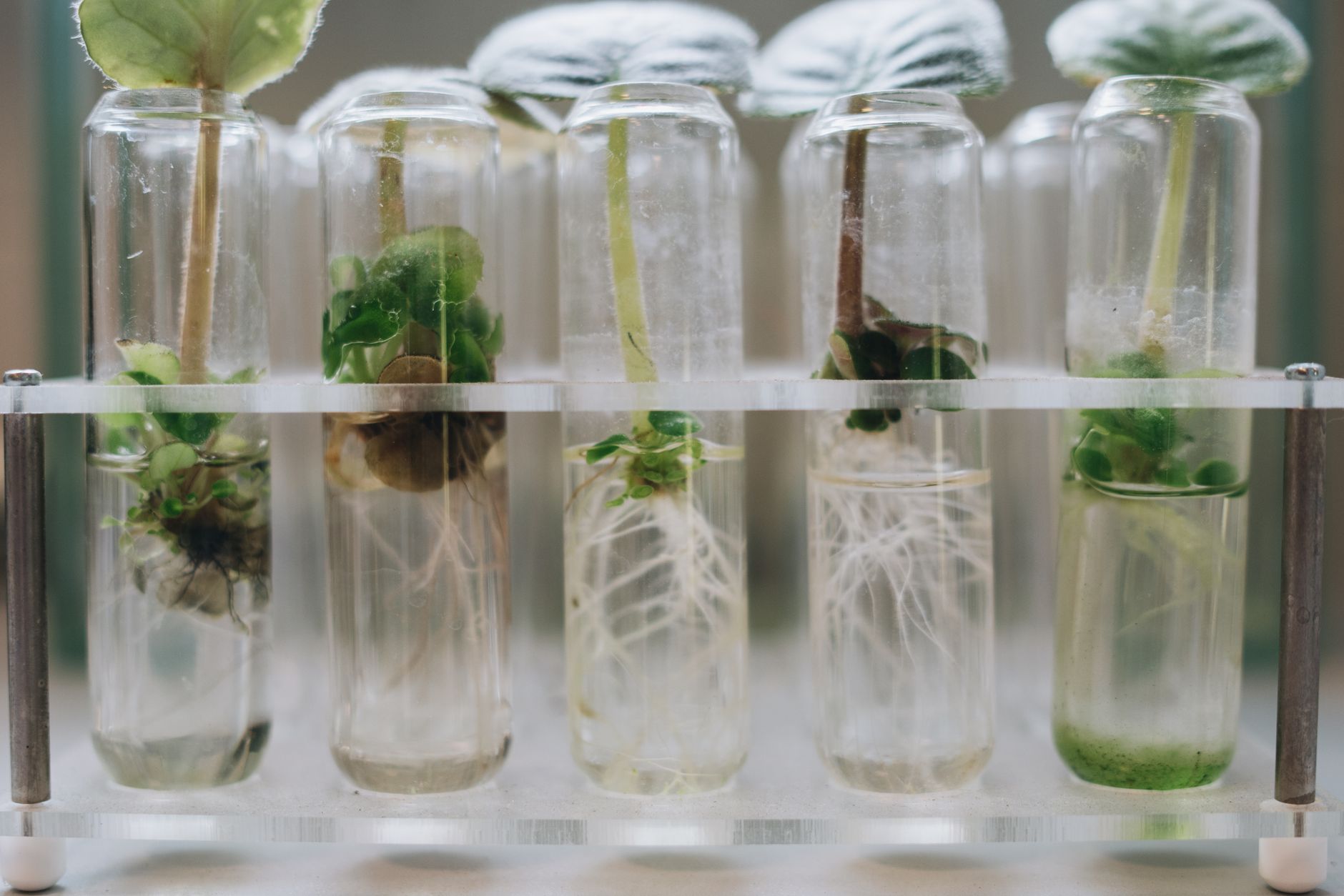
Hybrid plant-animal cells are at the forefront of groundbreaking scientific research. A team in Japan has achieved a world first by creating these unique cellular hybrids, opening new avenues in biotechnology.
What Are Hybrid Plant-Animal Cells?
Hybrid plant-animal cells, often referred to as “planimal” cells, represent a groundbreaking innovation in the field of biotechnology. These unique cells combine characteristics from both plant and animal cells, allowing scientists to explore new frontiers in cellular research and potential applications in medicine and agriculture.
The creation of hybrid plant-animal cells involves the fusion of plant cells with animal cells, resulting in a novel cell type that can exhibit traits from both origins. This process not only enhances our understanding of cellular functions but also opens up new possibilities for developing sustainable solutions to global challenges.
Researchers in Japan have successfully created these hybrid cells, marking a significant milestone in scientific research. The implications of this breakthrough are vast, including:
- Development of new therapies for diseases.
- Improved agricultural practices through enhanced plant resilience.
- Insights into cellular behaviors and interactions.
As the field of biotechnology advances, hybrid plant-animal cells may play a crucial role in shaping the future of scientific discoveries.
The Science Behind the Breakthrough
Researchers in Japan have achieved a significant milestone by successfully creating hybrid plant-animal cells, commonly referred to as “planimal” cells. This breakthrough offers a unique perspective on cellular biology, merging the characteristics of both plant and animal cells to explore new scientific frontiers.
The science behind this breakthrough revolves around the ability to manipulate cellular structures and genetic material. By introducing plant cell components into animal cells, scientists can harness the advantages of both organisms. This fusion allows for:
- Enhanced nutrient production: Hybrid plant-animal cells can potentially produce essential nutrients more efficiently than their individual counterparts.
- Improved disease resistance: The combination of plant resilience and animal cellular mechanisms may lead to more robust cells.
- Innovative research applications: These hybrids open new avenues for studying genetic expression and cellular behavior.
As research continues, the potential uses of hybrid plant-animal cells could revolutionize fields ranging from agriculture to medicine, paving the way for groundbreaking advancements in biotechnology.
Implications for Biotechnology
The recent development of hybrid plant-animal cells, often referred to as “planimal” cells, has profound implications for biotechnology. This groundbreaking research, led by a team in Japan, opens new avenues in various fields, including medicine, agriculture, and environmental science.
One significant application is in regenerative medicine, where these hybrid cells could be engineered to produce tissues or organs that are less likely to be rejected by the human immune system. Furthermore, the ability to manipulate genetic traits from both plants and animals may lead to the creation of crops that are more resilient to climate change and pests.
Additionally, hybrid plant-animal cells could enhance the production of pharmaceutical compounds. By leveraging the unique properties of both cell types, scientists could develop more efficient methods for drug synthesis.
In summary, the advent of hybrid plant-animal cells represents a remarkable leap forward, heralding a new era of innovative solutions to some of the most pressing challenges in biotechnology.
How This Research Was Conducted
The groundbreaking research into hybrid plant-animal cells, commonly referred to as “planimals,” was conducted by a team of scientists in Japan. The team adopted a meticulous approach to create these unique cells through a series of innovative experiments.
Initially, the researchers selected specific plant and animal cell types known for their compatibility. They then utilized a method called cell fusion, which involves merging the two distinct cell types to form a hybrid. This process allowed the scientists to successfully combine the genetic material and cellular structures of both organisms.
To monitor the success of their experiments, the team employed advanced imaging techniques and genetic analysis. These methods facilitated the observation of cellular behavior and the expression of certain traits that are characteristic of both plant and animal cells.
In their findings, the researchers noted that the hybrid plant-animal cells displayed remarkable resilience and adaptability, paving the way for further studies in biotechnology.
Potential Applications of Hybrid Cells
Hybrid plant-animal cells, often referred to as “planimal” cells, hold significant promise across various scientific fields. The unique characteristics of these cells enable researchers to explore innovative applications that could revolutionize biotechnology and medicine. Some potential applications include:
- Tissue Engineering: Hybrid cells can be utilized to create complex tissue structures that mimic natural organs, potentially addressing organ shortages for transplants.
- Drug Development: The integration of plant and animal cellular properties may enhance drug production, leading to more effective pharmaceuticals derived from bioengineered organisms.
- Bioremediation: Hybrid plant-animal cells could be employed to develop organisms capable of breaking down environmental pollutants, contributing to cleaner ecosystems.
- Agricultural Advancements: These cells might lead to the creation of crops with improved resistance to disease and environmental stress, ultimately enhancing food security.
The versatility of hybrid plant-animal cells opens doors to numerous research avenues, making them a focal point in the future of scientific innovation.
Challenges in Creating Hybrid Cells
Creating hybrid plant-animal cells presents several significant challenges that researchers must overcome to fully harness their potential. One of the primary hurdles is ensuring compatibility between the two vastly different cell types. The cellular machinery of plants and animals operates on distinct principles, making it difficult to merge their functionalities effectively.
Another challenge lies in maintaining the stability and integrity of the hybrid cells. Once formed, these hybrid plant-animal cells must be nurtured in a controlled environment to prevent degradation or loss of hybrid characteristics. This requires advanced techniques in cell culture and manipulation.
Additionally, ethical considerations arise when working with genetic material from both kingdoms. Researchers must navigate complex regulatory frameworks and public perceptions regarding the implications of creating such hybrids.
Lastly, the potential for unexpected behaviors or properties in hybrid cells poses a risk to both scientific research and practical applications. Addressing these challenges is crucial for advancing the field and unlocking the true capabilities of hybrid plant-animal cells.
Expert Opinions on the Discovery
Experts in the field have expressed their enthusiasm regarding the discovery of hybrid plant-animal cells. Dr. Emily Tan, a leading biotechnologist, stated, “The creation of these hybrid cells represents a monumental step forward in our understanding of cellular biology. It opens up new avenues for research and potential therapies.”
Professor Mark Liu, who specializes in genetic engineering, emphasized the implications for sustainable agriculture: “Hybrid plant-animal cells could revolutionize how we approach food production and environmental sustainability.”
Moreover, Dr. Sarah Kumar, a renowned cell biologist, noted the ethical considerations: “While the potential benefits are vast, we must proceed with caution to address any ethical dilemmas that may arise from manipulating biological boundaries.”
As the scientific community continues to explore hybrid plant-animal cells, experts agree that collaboration and transparency will be essential for navigating the challenges ahead.
In summary, the excitement surrounding this breakthrough is palpable, indicating a future full of possibilities in biotechnology.
Future of Hybrid Plant-Animal Research
The future of hybrid plant-animal research holds immense promise as scientists continue to explore the applications and implications of hybrid plant-animal cells. This groundbreaking discovery opens new pathways for understanding cellular interactions and developing innovative biotechnological solutions.
As researchers push the boundaries, several key areas of focus are emerging:
- Regenerative Medicine: Hybrid cells may pave the way for advanced therapies that utilize the best of both plant and animal cellular mechanisms.
- Agricultural Innovations: The potential to create crops that can withstand extreme environmental conditions is becoming more feasible.
- Biofuels and Bioplastics: Hybrid plant-animal cells could lead to sustainable production methods that reduce reliance on fossil fuels.
- Ethical Considerations: Ongoing discussions about the ethical implications of creating hybrid organisms will influence future research directions.
In summary, as the scientific community continues to unravel the complexities of hybrid plant-animal cells, the implications for various fields are not only exciting but also transformative.
Photo by Mikhail Nilov on Pexels
References
You might also like
LangChain funding round: Is it the best investment ever? · New Fable Gameplay: Exciting Details Revealed in 4 Minutes · Claude for Manufacturing: Proven AI Model Revolutionizing Industry